Podrobnosti o e‑knize
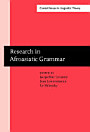
About a century after the year Benjamin Lee Whorf (18971941) was born, his theory complex is still the object of keen interest to linguists. Rencently, scholars have argued that it was not his theory complex itself, but an over-simplified, reduced section taken out of context that has become known as the Sapir-Whorf hypothesis that has met with so much resistance among linguists over the last few decades. Not only did Whorf present his views much more subtly than most people would believe, but he also dealt with a great number of other issues in his work. Taking Whorfs own notion of linguistic relativity as a starting point, this volume explores the relation between language, mind and experience through its historical development, Whorfs own writing, its misinterpretations, various theoretical and methodological issues and a closer look at a few specific issues in his work.
About a century after the year Benjamin Lee Whorf (18971941) was born, his theory complex is still the object of keen interest to linguists. Rencently, scholars have argued that it was not his theory complex itself, but an over-simplified, reduced section taken out of context that has become kno...
Zjistit více
Ohodnotit e‑knihu
Sdělte nám, co si myslíte.
Informace o čtení
Telefony a tablety
Nainstalujte si aplikaci Knihy Google Play pro Android a iPad/iPhone. Aplikace se automaticky synchronizuje s vaším účtem a umožní vám číst v režimu online nebo offline, ať jste kdekoliv.
Notebooky a počítače
Audioknihy zakoupené na Google Play můžete poslouchat pomocí webového prohlížeče v počítači.
Čtečky a další zařízení
Pokud chcete číst knihy ve čtečkách elektronických knih, jako např. Kobo, je třeba soubor stáhnout a přenést do zařízení. Při přenášení souborů do podporovaných čteček elektronických knih postupujte podle podrobných pokynů v centru nápovědy.