ስለዚህ ኢ-መጽሐፍ
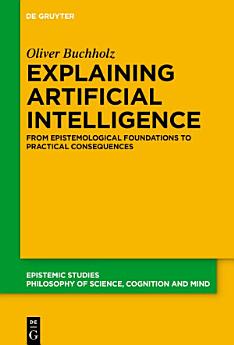
Which kind of artificial intelligence do we want to live with? Should machines explain themselves to us? Machine learning techniques are developing at a rapid pace and find applications not only in banal everyday uses, but also in high-stake situations, including science, medicine, banking, law, and business. But it is impossible to reconstruct how they reach their results and to judge whether they reach their results in the intended way. The mechanism is entirely opaque. This prompts a lot of justified skepticism and criticism of these computer programs. By closely investigating the foundations of opacity and explanations from a philosophy of science and epistemological perspective, Buchholz comes to more optimistic conclusions. This book derives practical consequences from a rigorous conceptual analysis of opacity, paving the way to an effective regulation of machine learning, and will advance the debate about the nature of explanation in the philosophy of science.
Which kind of artificial intelligence do we want to live with? Should machines explain themselves to us? Machine learning techniques are developing at a rapid pace and find applications not only in banal everyday uses, but also in high-stake situations, including science, medicine, banking, law, ...
ተጨማሪ ያግኙ
ስለደራሲው
Oliver Buchholz, ETH Zurich, Zurich, Switzerland.
Oliver Buchholz, ETH Zurich, Zurich, Switzerland.
ለዚህ ኢ-መጽሐፍ ደረጃ ይስጡ
ምን እንደሚያስቡ ይንገሩን።
የንባብ መረጃ
ዘመናዊ ስልኮች እና ጡባዊዎች
የGoogle Play መጽሐፍት መተግበሪያውን ለAndroid እና iPad/iPhone ያውርዱ። ከእርስዎ መለያ ጋር በራስሰር ይመሳሰላል እና ባሉበት የትም ቦታ በመስመር ላይ እና ከመስመር ውጭ እንዲያነቡ ያስችልዎታል።
ላፕቶፖች እና ኮምፒውተሮች
የኮምፒውተርዎን ድር አሳሽ ተጠቅመው በGoogle Play ላይ የተገዙ ኦዲዮ መጽሐፍትን ማዳመጥ ይችላሉ።
ኢሪደሮች እና ሌሎች መሳሪያዎች
እንደ Kobo ኢ-አንባቢዎች ባሉ ኢ-ቀለም መሣሪያዎች ላይ ለማንበብ ፋይል አውርደው ወደ መሣሪያዎ ማስተላለፍ ይኖርብዎታል። ፋይሎቹን ወደሚደገፉ ኢ-አንባቢዎች ለማስተላለፍ ዝርዝር የእገዛ ማዕከል መመሪያዎቹን ይከተሉ።