About this ebook
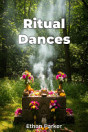
The book investigates how dance has evolved within specific religious contexts, shaped by social and political factors. It presents a comprehensive overview using historical accounts, ethnographic studies, and theological interpretations, making it accessible to a broad audience. The chapters progress from examining dances of invocation and celebration to those of initiation and transformation, offering a global survey of religious dance traditions. This approach emphasizes the lived experience of dance, highlighting its personal and communal significance as a spiritual practice.
In conclusion, ""Religious Dance"" presents dance as a unique language of the sacred. It goes beyond conventional understandings of religion by emphasizing embodied practices in shaping religious identities. It also makes interdisciplinary connections with fields like anthropology and musicology, enriching its analysis and broadening its appeal.