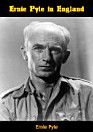
Ernie Pyle in England: Restored Classics to Go Edition
About this ebook
Discover more
About the author
Ernie Pyle was one of the most beloved American journalists of the twentieth century, a writer whose plainspoken style and deep human sympathy brought the realities of war and everyday life into vivid focus for millions of readers. Born in Indiana and shaped by a restless early career in newspaper work, he eventually found his voice as a correspondent who preferred the company of ordinary people to the glare of officialdom. During World War II, he became famous for his frontline reporting, traveling with soldiers and writing about their exhaustion, humor, fear, and courage in a way that made readers feel the war not as strategy or spectacle, but as lived experience. His journalism earned him immense respect and a Pulitzer Prize, and his influence extended far beyond the battlefield because he showed that great reporting could be intimate, compassionate, and morally serious at once. The central themes of his work—human vulnerability, camaraderie, sacrifice, and the dignity of common lives—remain strikingly relevant today, especially in an age that still struggles to balance public events with personal truth. Pyle's legacy endures because he reminded readers that history is made by individuals, not abstractions, and that empathy is one of journalism's greatest strengths. Readers who appreciate war writing, classic reportage, and deeply humane storytelling will find him especially rewarding.