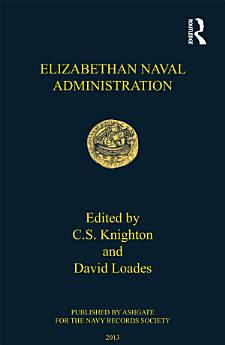
Elizabethan Naval Administration

¡ Routledge
⎃āļ¸āˇāļŊāˇāļ āļą 1āļšāˇŠ
āļ‰-āļ´āˇœāļ­
824
āļ´āˇ’āļ§āˇ”
āˇƒāˇ”āļ¯āˇ”āˇƒāˇ”āļšāļ¸āˇŠ āļŊāļļāļē⎒

āļ¸āˇ™āļ¸ āļ‰-āļ´āˇœāļ­ āļœāˇāļą

This is the first general selection from the substantial body of surviving documents about Elizabeth’s navy. It is a companion to The Navy of Edward VI and Mary I (Vol.157 in the NRS Series), where the apparatus serving both volumes was printed, and it complements the other NRS volumes that deal specifically with the Spanish Armada. This collection concentrates (though not exclusively so) on the early years of Elizabeth’s reign when there was no formal war. From 1558-1585 the navy was involved in a number of small-scale campaigns, pursuit of pirates and occasional shows of force. The documents selected emphasize the financial and administrative processes that supported these operations, such as mustering, victualing, demobilisation, and ship maintenance and repair. The fleet varied in size from about 30 to 45 ships during the period and a vast amount of maintenance and repair was required. The main component of the volume is the massively detailed Navy Treasurer's account for 1562-3 which is followed by and collated with the corresponding Exchequer Account. The documents illustrate just how efficiently the dockyards functioned. They were one of the great early Elizabethan achievements.
This is the first general selection from the substantial body of surviving documents about Elizabeth’s navy. It is a companion to The Navy of Edward VI and Mary I (Vol.157 in the NRS Series), where the apparatus serving both volumes was printed, and it complements the other NRS volumes that deal ...

āļ­āˇ€ ⎃⎜āļēāˇ āļœāļąāˇŠāļą

āļ‡āļœāļē⎓āļ¸āˇŠ āˇƒāˇ„ ⎃āļ¸āˇāļŊāˇāļ āļą

1 ⎃āļ¸āˇāļŊāˇāļ āļąāļēāļšāˇŠ

āļšāļģ⎊āļ­āˇ˜ āļ´āˇ’⎅⎒āļļāļŗ

David Loades was born on 19 January 1934. He served in the RAF 1953-55. He gained his BA and PhD at Emmanuel College, Cambridge, and subsequently was awarded a D. Litt here. After teaching at St. Andrew’s and Durham Universities in the 1960s and 1970s he was appointed to be Professor of History at the University of Wales, Bangor in 1980. In 1989 he was made Visiting Fellow of All Souls Oxford, where he spent a year completing his research on the Tudor Navy. He took early retirement from Bangor in 1994 and moved to Oxford to concentrate on the British Academy John Foxe Project, of which he had been Director since 1993. He is an Honorary Member of the History Faculty at Oxford University, a Fellow of the Royal Historical Society, and a Fellow of the Society of Antiquaries. For many years he chaired the Publications of the Navy Records Society.

Charles Knighton was educated at Magdalene College, Cambridge, where he compiled the Modern Manuscripts catalogue of the Pepys Library. He assisted Robert Latham in editing The Shorter Pepys and Latham’s volume for the Navy Records Society, Samuel Pepys and the Second Anglo-Dutch War. He has served since 2000 as principal assistant keeper of archives at Clifton College, Bristol.
David Loades was born on 19 January 1934. He served in the RAF 1953-55. He gained his BA and PhD at Emmanuel College, Cambridge, and subsequently was awarded a D. Litt here. After teaching at St. Andrew’s and Durham Universities in the 1960s and 1970s he was appointed to be Professor of History a...

āļ¸āˇ™āļ¸ āļ‰-āļ´āˇœāļ­ āļ…āļœāļēāļąāˇŠāļą

āļ”āļļ āˇƒāˇ’āļ­āļą āļ¯āˇ™āļē āļ…āļ´āļ§ āļšāˇ’āļēāļąāˇŠāļą.

āļšāˇ’āļē⎀⎓āļ¸āˇš āļ­āˇœāļģāļ­āˇ”āļģ⎔

⎃⎊āļ¸āˇāļģ⎊āļ§āˇŠ āļ¯āˇ”āļģāļšāļŽāļą āˇƒāˇ„ āļ§āˇāļļ⎊āļŊāļ§āˇŠ
Android āˇƒāˇ„ iPad/iPhone ⎃āļŗāˇ„āˇ Google Play āļ´āˇœāļ­āˇŠ āļē⎙āļ¯āˇ”āļ¸ āˇƒāˇŠāļŽāˇāļ´āļąāļē āļšāļģāļąāˇŠāļą. āļ‘āļē āļ”āļļ⎚ āļœāˇ’āļĢ⎔āļ¸ āˇƒāļ¸āļŸ āˇƒāˇŠāˇ€āļēāļ‚āļšāˇŠâ€āļģ⎓āļē⎀ ⎃āļ¸āļ¸āˇ”⎄⎔āļģ⎊āļ­ āļšāļģāļą āļ…āļ­āļģ āļ”āļļāļ§ āļ•āļąāˇ‘āļ¸ āļ­āˇāļąāļš āˇƒāˇ’āļ§ āˇƒāļļ⎐āļŗāˇ’⎀ āˇ„āˇ āļąāˇœāļļ⎐āļŗāˇ’⎀ āļšāˇ’āļē⎀⎓āļ¸āļ§ āļ‰āļŠ āˇƒāļŊ⎃āļē⎒.
āļŊ⎐āļ´āˇŠāļ§āˇœāļ´āˇŠ āˇƒāˇ„ āļ´āļģ⎒āļœāļĢāļš
āļ”āļļāļ§ āļ”āļļ⎚ āļ´āļģ⎒āļœāļĢāļšāļē⎚ ⎀⎙āļļ⎊ āļļāˇŠâ€āļģāˇ€āˇŠāˇƒāļģāļē āļˇāˇāˇ€āˇ’āļ­āļē⎙āļąāˇŠ Google Play āļ¸āļ­ āļ¸āˇ’āļŊāļ¯āˇ“ āļœāļ­āˇŠ āˇāˇŠâ€āļģāˇ€āˇŠâ€āļēāļ´āˇœāļ­āˇŠāˇ€āļŊāļ§ āˇƒāˇ€āļąāˇŠ āļ¯āˇ’āļē ⎄⎐āļš.
eReaders āˇƒāˇ„ ⎀⎙āļąāļ­āˇŠ āļ‹āļ´āˇāļ‚āļœ
Kobo eReaders ⎀⎐āļąāˇ’ e-ink āļ‹āļ´āˇāļ‚āļœ āļ´āˇ’⎅⎒āļļāļŗ āļšāˇ’āļē⎀⎓āļ¸āļ§, āļ”āļļ āˇ€āˇ’āˇƒāˇ’āļąāˇŠ āļœāˇœāļąāˇ”⎀āļšāˇŠ āļļāˇāļœāˇ™āļą āļ”āļļ⎚ āļ‹āļ´āˇāļ‚āļœāļēāļ§ āļ‘āļē āļ¸āˇāļģ⎔ āļšāˇ’āļģ⎓āļ¸ āˇƒāˇ’āļ¯āˇ” āļšāˇ… āļē⎔āļ­āˇ” āˇ€āˇš. āļ†āļ°āˇāļģāļšāļģ⎔ āļ‰-āļšāˇ’āļē⎀āļąāļēāļ§ āļœāˇœāļąāˇ” āļ¸āˇāļģ⎔ āļšāˇ’āļģ⎓āļ¸āļ§ āˇ€āˇ’āˇƒāˇŠāļ­āļģāˇāļ­āˇŠāļ¸āļš āļ‹āļ¯āˇ€āˇ” āļ¸āļ°āˇŠâ€āļē⎃⎊āļŽāˇāļą āļ‹āļ´āļ¯āˇ™āˇƒāˇŠ āļ…āļąāˇ”āļœāļ¸āļąāļē āļšāļģāļąāˇŠāļą.