In the Mountains: Restored Classics to Go Edition
About this ebook
Discover more
About the author
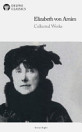
Elizabeth von Arnim was born Mary Annette Beauchamp in Australia in 1866 and grew up between continents, a cosmopolitan beginning that helped shape the sharp, observant voice that would make her one of the most distinctive novelists of her time. After marrying into Prussian aristocracy, she spent years navigating the expectations of marriage, motherhood, and social convention, experiences that fed the wit and quiet rebellion of her fiction. She later lived in England, Switzerland, and the United States, and her life was marked by both privilege and constraint, personal independence and emotional upheaval. Her writing gained wide recognition for its elegant irony, luminous descriptions of nature, and keen insight into the inner lives of women, especially those chafing against rigid roles. Across her novels and essays, she explored themes of selfhood, freedom, marriage, solitude, and the restorative power of landscape, often balancing humor with melancholy in a way that still feels fresh today. Her work remains relevant because it speaks so clearly to modern readers about the need for autonomy, the complexity of relationships, and the healing possibilities of time spent apart from social demands. Elizabeth von Arnim's legacy endures in her ability to make private feelings and domestic life seem both amusing and profound, and readers who enjoy intelligent, subtly subversive fiction with beautiful prose and a strong sense of place will find her especially rewarding.