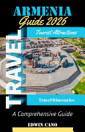
About this ebook
Known for its geographic diversity, safety, and understated hospitality, Oman offers a rare range of experiences within a single destination. From mountain villages and desert dunes to coastal cities, wadis, and ancient forts, the country rewards travelers who move at a considered pace. This guide helps you navigate Oman independently, maximize value, and avoid common mistakes without compromising depth or comfort.
Inside, you’ll find:
Transportation tips for navigating Oman effectively
Learn how to get around Oman using the most practical options available, including car rentals, domestic flights, buses, taxis, and ride-hailing services. The guide explains when self-driving is essential, how to prepare for long distances, and how to travel safely through deserts, mountains, and coastal routes.
Affordable and well-suited accommodation options
From budget guesthouses and simple hotels to serviced apartments, desert camps, and luxury resorts, this guide covers accommodation choices across travel styles and budgets. It includes advice on choosing the right regions to stay in, booking during peak and off-peak seasons, and saving money through longer stays and strategic location choices.
Food and dining experiences
Omani cuisine reflects centuries of trade, hospitality, and regional identity. Discover how to enjoy traditional dishes such as shuwa, majboos, mashuai, fresh seafood, bread, dates, and halwa. The guide explains where and how to eat well on any budget—from local cafeterias and roadside restaurants to traditional eateries and special-occasion meals—while respecting dietary needs and local customs.
Must-see attractions and outdoor experiences
Explore Oman’s forts, castles, wadis, deserts, mountains, coastlines, and historic towns. The guide offers practical advice on visiting major sites, discovering lesser-known locations, and balancing cultural experiences with outdoor adventure, all while avoiding rushed itineraries and overcrowded stops.
Cultural insights and local etiquette
Understand Omani society, values, and social norms, including dress codes, hospitality traditions, majlis culture, and everyday etiquette. These insights help travelers interact respectfully, avoid misunderstandings, and experience Oman beyond surface-level tourism.
Festivals and seasonal events
Oman’s calendar includes national celebrations, religious observances, and regional events such as the Khareef season in the south. This guide explains when and where these events take place, how they affect travel logistics, and how visitors can experience them respectfully.
Money-saving strategies
Learn how to manage daily costs in Oman, take advantage of free and low-cost attractions, plan realistic budgets, and avoid unnecessary expenses. Practical guidance helps travelers make informed decisions without sacrificing comfort or experience.
Whether you are driving through mountain passes, watching the sunset over desert dunes, exploring historic souqs, swimming in wadis, or sharing coffee and dates with locals, this guide helps you travel Oman with awareness, preparation, and confidence. With practical advice and cultural context, Oman Travel Guide: A Comprehensive Guide supports meaningful, responsible, and well-paced travel through one of the Middle East’s most quietly rewarding destinations.
Discover more
Ratings and reviews
About the author
Edwin Cano is an independent traveler and writer whose journeys are shaped by long road trips, local conversations, and a preference for places that reward patience over speed. His time backpacking through Oman was guided less by checklists and more by curiosity—following mountain roads, lingering in quiet towns, and learning through everyday encounters.
Traveling independently, Edwin explored Oman by bus, shared rides, and long self-planned routes, staying in modest guesthouses and locally run accommodations whenever possible. He spent time in Muscat’s neighborhoods, inland towns, mountain villages, and coastal communities, often adjusting plans to account for weather, distance, and the advice of locals met along the way.
What left the strongest impression was not a single landmark, but the consistency of Omani hospitality—the ease of conversation, the unspoken rules of respect, and the generosity extended to strangers without expectation. Experiences in majlis settings, roadside cafés, markets, and remote landscapes shaped a deeper understanding of how culture, geography, and daily life intersect in Oman.
This book reflects a backpacker’s perspective grounded in observation, practicality, and respect. It is written for travelers who prefer independence but value cultural awareness, and for those who believe that meaningful travel comes from moving slowly, listening carefully, and remaining open to learning at every step of the journey.