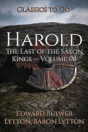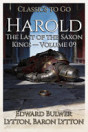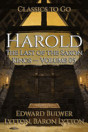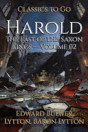
Harold: Restored Classics to Go Edition
About this ebook
Discover more
About the author
Edward Bulwer-Lytton, later Baron Lytton, was a prolific Victorian novelist, playwright, poet, and politician whose life bridged the worlds of literature and public affairs. Born in 1803 into an aristocratic family, he educated himself with unusual determination, entered Parliament, and became one of the most widely read and talked-about writers of his age. Over a career that stretched across decades, he produced historical romances, social novels, sensation fiction, and dramatic verse, earning immense popularity and shaping the tastes of nineteenth-century readers. His writing is marked by sweeping plots, memorable characters, and a gift for turning history into vivid narrative, while his recurring themes include ambition, social mobility, power, moral responsibility, and the tension between private feeling and public duty. He was also deeply interested in the forces that shape societies, from class and politics to the allure and danger of knowledge, which gives his work a continuing relevance in a world still preoccupied with status, identity, and change. Though his reputation has fluctuated, his influence on popular fiction, historical storytelling, and the development of the modern novel remains significant, and his legacy endures in the scale of his imagination and his instinct for drama. Readers who enjoy richly plotted historical fiction, Victorian literature, and novels that combine adventure with social insight are especially likely to find him rewarding.