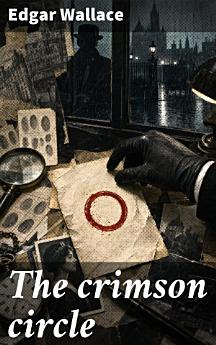
The crimson circle
Jun 2026 · Good Press
Ebook
161
Pages
family_home
Eligible
info
About this ebook
First published in 1922, The Crimson Circle is a taut Edgar Wallace thriller built around blackmail, concealment, and the methods of modern detection. The novel follows a shadowy criminal organization whose anonymous threats unsettle London society, drawing police and private investigators into a maze of disguise, surveillance, and sudden violence. Wallace's style is brisk, economical, and intensely plot-driven, exemplifying the popular British crime fiction of the interwar years, where suspense depends less on psychological depth than on momentum, atmosphere, and ingenious revelation. The book stands within the lineage of sensation fiction and the early detective novel, yet it bears Wallace's distinctive gift for urgency and theatrical surprise. Edgar Wallace was one of the most prolific and commercially successful writers of his age, a journalist, war correspondent, and former soldier whose familiarity with crime reporting and urban modernity deeply informed his fiction. His intimate knowledge of newspapers, police procedure, and public fascination with scandal helped shape narratives like The Crimson Circle, in which criminality appears both organized and elusive. Wallace wrote for a mass readership, but his craft in pacing and narrative construction was considerable. This novel is especially recommended to readers interested in the evolution of the British thriller. It offers not only an absorbing mystery but also a vivid example of how popular fiction translated contemporary anxieties into compelling entertainment.
First published in 1922, The Crimson Circle is a taut Edgar Wallace thriller built around blackmail, concealment, and the methods of modern detection. The novel follows a shadowy criminal organization whose anonymous threats unsettle London society, drawing police and private investigators into a...
Discover more
Rate this ebook
Tell us what you think.
Reading information
Smartphones and tablets
Install the Google Play Books app for Android and iPad/iPhone. It syncs automatically with your account and allows you to read online or offline wherever you are.
Laptops and computers
You can listen to audiobooks purchased on Google Play using your computer's web browser.
eReaders and other devices
To read on e-ink devices like Kobo eReaders, you'll need to download a file and transfer it to your device. Follow the detailed Help Center instructions to transfer the files to supported eReaders.