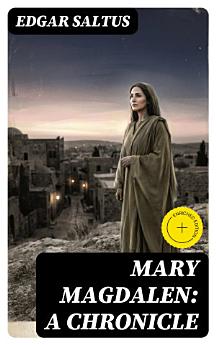
Mary Magdalen: A Chronicle: Enriched edition.
Edgar Saltus
Aug 2022 · DigiCat
Ebook
89
Pages
family_home
Eligible
info
About this ebook
In "Mary Magdalen: A Chronicle," Edgar Saltus intricately weaves a narrative that blends historical fiction with philosophical musings, presenting an evocative portrait of Mary Magdalen that challenges traditional biblical interpretations. Employing a rich, lyrical prose style, Saltus explores themes of redemption, female autonomy, and the complexities of faith within the context of a rapidly changing society. Set against the backdrop of the late 19th century, this novel reflects the burgeoning interest in revisiting historical figures through a lens of psychological depth and emotional nuance, a hallmark of Saltus's work. Edgar Saltus, an American novelist and essayist, was deeply influenced by his own tumultuous relationship with societal norms and artistic conventions. His interest in exploring the depths of human experience, alongside a fascination with the esoteric and the mystical, likely informed his portrayal of Mary Magdalen as a symbol of misunderstood femininity. Saltus's personal experiences with themes of isolation and societal judgment resonate throughout the narrative, adding complexity to his interpretation of this iconic figure. "Mary Magdalen: A Chronicle" emerges as a compelling exploration of identity and spirituality, making it an essential read for those interested in feminist literature, biblical reinterpretation, and the interplay between history and fiction. Saltus's masterful storytelling invites readers to question preconceived notions of Mary Magdalen while encouraging an empathetic understanding of her struggles and triumphs. In this enriched edition, we have carefully created added value for your reading experience: - Hand‐picked Memorable Quotes shine a spotlight on moments of literary brilliance. - Interactive footnotes clarify unusual references, historical allusions, and archaic phrases for an effortless, more informed read.
In "Mary Magdalen: A Chronicle," Edgar Saltus intricately weaves a narrative that blends historical fiction with philosophical musings, presenting an evocative portrait of Mary Magdalen that challenges traditional biblical interpretations. Employing a rich, lyrical prose style, Saltus explores th...
Discover more
About the author
Edgar Saltus, an American writer celebrated for his highly polished prose and transcendental forays into psychological fiction, was a prominent figure in the early literary circles of the late 19th and early 20th centuries. Born on October 8, 1855, in New York City, Saltus emanated from a lineage of scholars and attorneys; his refined education at Columbia College Law School indeed influenced his erudite narrative style. Despite his law background, Saltus's passion remained firmly rooted in literature, where he found a penchant for exploring themes of decadence, aestheticism, and the intricacies of human nature. His works, which include the notable title 'Mary Magdalen: A Chronicle,' exemplify his interest in historical and biblical figures, through which he offered nuanced perspectives on morality and spirituality. This book, like many of his others, displays Saltus's discerning penchant for detail and his ability to infuse fictional storytelling with philosophic inquiry. His narrative voice, often characterized by its opulent verbosity and lyrical quality, garnered a dedicated if not vast audience; his literary style is frequently compared to that of Oscar Wilde, whom Saltus admired. Though never achieving the household recognition of his contemporaries, Saltus's contribution to American literature persists in academic discussions of pre-modernist authors, and his oeuvre remains a testament to the aesthetic and intellectual concerns of his age. He passed away on July 31, 1921, but his legacy continues to intrigue scholars who seek to untangle the complexities of late 19th-century literature.
Edgar Saltus, an American writer celebrated for his highly polished prose and transcendental forays into psychological fiction, was a prominent figure in the early literary circles of the late 19th and early 20th centuries. Born on October 8, 1855, in New York City, Saltus emanated from a lineage...
Rate this ebook
Tell us what you think.
Reading information
Smartphones and tablets
Install the Google Play Books app for Android and iPad/iPhone. It syncs automatically with your account and allows you to read online or offline wherever you are.
Laptops and computers
You can listen to audiobooks purchased on Google Play using your computer's web browser.
eReaders and other devices
To read on e-ink devices like Kobo eReaders, you'll need to download a file and transfer it to your device. Follow the detailed Help Center instructions to transfer the files to supported eReaders.