මෙම ඉ-පොත ගැන
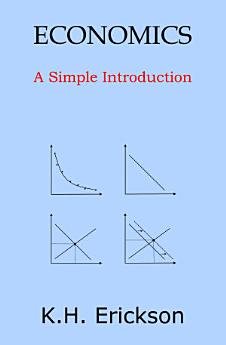
Economics: A Simple Introduction offers an accessible guide to the principles and methods of economics, with calculations and over 25 diagrams to support the analysis.
Understand the four dimensional nature of economics, and how its learning process differs from other subjects.
Use data points, read graphs, and learn to create your own graphs and how to plot a trend curve. Evaluate the laws of diminishing marginal utility and diminishing returns exhibited by these trend curves, and assess the impact on consumers and producers. Turn curves into lines to find the relationship between two variables using an intercept and slope.
Find the equilibrium outcome where all sides are balanced and understand its importance for consumers and producers. Examine the factors which facilitate or prevent an equilibrium outcome, and which may lead to a range of possible outcomes.
Explore the impact of time as static analysis becomes dynamic analysis. Look into short-run shifts in demand or supply, and the affect which they may have on prices and consumption or production levels. Look at changes which can occur over the long-run, specifically the end of the law of diminishing returns.
Microeconomics overview explains how consumer preferences and budget constraint decide demand, and firm productivity and costs against revenue decide supply. Macroeconomics overview explains how the IS-LM model where goods and money markets balance decides aggregate demand, and the Phillips curve and growth models determine aggregate supply.
Econometrics is introduced as a method is presented to create value estimates, and economic theory becomes practice.
Understand the four dimensional nature of economics, and how its learning process differs from other subjects.
Use data points, read graphs, and learn to create your own graphs and how to plot a trend curve. Evaluate the laws of diminishing marginal utility and diminishing returns exhibited by these trend curves, and assess the impact on consumers and producers. Turn curves into lines to find the relationship between two variables using an intercept and slope.
Find the equilibrium outcome where all sides are balanced and understand its importance for consumers and producers. Examine the factors which facilitate or prevent an equilibrium outcome, and which may lead to a range of possible outcomes.
Explore the impact of time as static analysis becomes dynamic analysis. Look into short-run shifts in demand or supply, and the affect which they may have on prices and consumption or production levels. Look at changes which can occur over the long-run, specifically the end of the law of diminishing returns.
Microeconomics overview explains how consumer preferences and budget constraint decide demand, and firm productivity and costs against revenue decide supply. Macroeconomics overview explains how the IS-LM model where goods and money markets balance decides aggregate demand, and the Phillips curve and growth models determine aggregate supply.
Econometrics is introduced as a method is presented to create value estimates, and economic theory becomes practice.
Economics: A Simple Introduction offers an accessible guide to the principles and methods of economics, with calculations and over 25 diagrams to support the analysis.
Understand the four dimensional nature of economics, and how its learning process differs from other subjects.
Use data points...
තව සොයා ගන්න
ඇගයීම් සහ සමාලෝචන
සමාලෝචන 4ක්
මෙම ඉ-පොත අගයන්න
ඔබ සිතන දෙය අපට කියන්න.
කියවීමේ තොරතුරු
ස්මාර්ට් දුරකථන සහ ටැබ්ලට්
Android සහ iPad/iPhone සඳහා Google Play පොත් යෙදුම ස්ථාපනය කරන්න. එය ඔබේ ගිණුම සමඟ ස්වයංක්රීයව සමමුහුර්ත කරන අතර ඔබට ඕනෑම තැනක සිට සබැඳිව හෝ නොබැඳිව කියවීමට ඉඩ සලසයි.
ලැප්ටොප් සහ පරිගණක
ඔබට ඔබේ පරිගණකයේ වෙබ් බ්රව්සරය භාවිතයෙන් Google Play මත මිලදී ගත් ශ්රව්යපොත්වලට සවන් දිය හැක.
eReaders සහ වෙනත් උපාංග
Kobo eReaders වැනි e-ink උපාංග පිළිබඳ කියවීමට, ඔබ විසින් ගොනුවක් බාගෙන ඔබේ උපාංගයට එය මාරු කිරීම සිදු කළ යුතු වේ. ආධාරකරු ඉ-කියවනයට ගොනු මාරු කිරීමට විස්තරාත්මක උදවු මධ්යස්ථාන උපදෙස් අනුගමනය කරන්න.