About this ebook
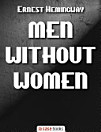
Written in Hemingway's distinctive, understated prose, the story examines the harsh realities of economic hardship and the unpredictable power of nature. Through the narrator's reflections, Hemingway highlights the fragile line between ambition and loss, as well as the consequences of pursuing wealth at any cost.
Originally published in 1932, After the Storm is one of Hemingway's notable short stories and is frequently included in collections of his fiction.
Discover more
About the author
Ernest Hemingway (1899–1961) was an American novelist, short story writer, and journalist known for his distinctive writing style, marked by simplicity, precision, and emotional depth. He is considered one of the most influential literary figures of the 20th century.
Hemingway worked as a journalist before becoming a celebrated author and drew inspiration from his experiences as an ambulance driver during World War I, a war correspondent, and a traveler. His works often explore themes of courage, loss, survival, human dignity, and the struggles of individuals facing difficult circumstances.
His major works include The Sun Also Rises, A Farewell to Arms, For Whom the Bell Tolls, and The Old Man and the Sea. He received the Pulitzer Prize for Fiction for The Old Man and the Sea and the Nobel Prize in Literature for his contribution to literature.
Hemingway's short stories, including After the Storm, continue to be recognized for their powerful storytelling, realistic characters, and exploration of the complexities of human nature.