關於這本電子書
Event-based architectures inherently decouple system components. Event-based components are not designed to work with specific other components in a traditional request/reply mode, but separate communication from computation through asynchronous communication mechanisms via a dedicated notification service.
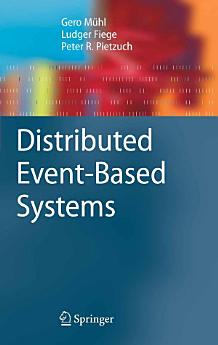
Mühl, Fiege, and Pietzuch provide the reader with an in-depth description of event-based systems. They cover the complete spectrum of topics, ranging from a treatment of local event matching and distributed event forwarding algorithms, through a more practical discussion of software engineering issues raised by the event-based style, to a presentation of state-of-the-art research topics in event-based systems, such as composite event detection and security. Their presentation gives researchers a comprehensive overview of the area and lots of hints for future research. In addition, they show the power of event-based architectures in modern system design, thus encouraging professionals to exploit this technique in next generation large-scale distributed applications like information dissemination, network monitoring, enterprise application integration, or mobile systems.