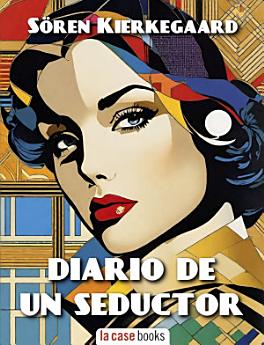
Diario de un seductor
Sören Kierkegaard
ágú. 2010 · LA CASE Books
star
1 umsögn
Rafbók
144
Síður
family_home
Gjaldgeng
info
Um þessa rafbók
Fruto de su tormentosa relación con Regine Olsen y de sus meditaciones sobre el amor, el Diario de un seductor es, con seguridad, la obra que más fama ha reportado a Sören Kierkegaard (1813-1855). Pequeño tributo a la figura del seductor de la novela decimonónica, el «Diario» narra la relación entre Juan, «el seductor» —ducho en las artes del engaño y la manipulación— y la joven e ingenua Cordelia.
Sin embargo, más allá de la trama literaria, abundar en la psicología del seductor no es sino un bello recurso que el filósofo danés utilizará para reflexionar sobre el «hombre estético». A saber, el hombre que atrapado por la fuerza de la inmediatez y el goce sensual vaga por la vida víctima de sus instintos y sin poder ver en lo que le rodea nada más que un medio para satisfacer sus apetencias.
Fruto de su tormentosa relación con Regine Olsen y de sus meditaciones sobre el amor, el Diario de un seductor es, con seguridad, la obra que más fama ha reportado a Sören Kierkegaard (1813-1855). Pequeño tributo a la figura del seductor de la novela decimonónica, el «Diario» narra la relación en...
Uppgötvaðu meira
Einkunnir og umsagnir
1 umsögn
Um höfundinn
Born in Copenhagen, Denmark, Søren Kierkegaard was the son of a wealthy middle-class merchant. He lived all his life on his inheritance, using it to finance his literary career. He studied theology at the University of Copenhagen, completing a master's thesis in 1841 on the topic of irony in Socrates. At about this time, he became engaged to a woman he loved, but he broke the engagement when he decided that God had destined him not to marry. The years 1841 to 1846 were a period of intense literary activity for Kierkegaard, in which he produced his "authorship," a series of writings of varying forms published under a series of fantastic pseudonyms. Parallel to these, he wrote a series of shorter Edifying Discourses, quasi-sermons published under his own name. As he later interpreted it in the posthumously published Point of View for My Work as an Author, the authorship was a systematic attempt to raise the question of what it means to be a Christian. Kierkegaard was persuaded that in his time people took the meaning of the Christian life for granted, allowing all kinds of worldly and pagan ways of thinking and living to pass for Christian. He applied this analysis especially to the speculative philosophy of German idealism. After 1846, Kierkegaard continued to write, publishing most works under his own name. Within Denmark he was isolated and often despised, a man whose writings had little impact in his own day or for a long time afterward. They were translated into German early in the twentieth century and have had an enormous influence since then, on both Christian theology and the existentialist tradition in philosophy.
Born in Copenhagen, Denmark, Søren Kierkegaard was the son of a wealthy middle-class merchant. He lived all his life on his inheritance, using it to finance his literary career. He studied theology at the University of Copenhagen, completing a master's thesis in 1841 on the topic of irony in Socr...
Gefa þessari rafbók einkunn.
Segðu okkur hvað þér finnst.
Upplýsingar um lestur
Snjallsímar og spjaldtölvur
Settu upp forritið Google Play Books fyrir Android og iPad/iPhone. Það samstillist sjálfkrafa við reikninginn þinn og gerir þér kleift að lesa með eða án nettengingar hvar sem þú ert.
Fartölvur og tölvur
Hægt er að hlusta á hljóðbækur sem keyptar eru í Google Play í vafranum í tölvunni.
Lesbretti og önnur tæki
Til að lesa af lesbrettum eins og Kobo-lesbrettum þarftu að hlaða niður skrá og flytja hana yfir í tækið þitt. Fylgdu nákvæmum leiðbeiningum hjálparmiðstöðvar til að flytja skrár yfir í studd lesbretti.