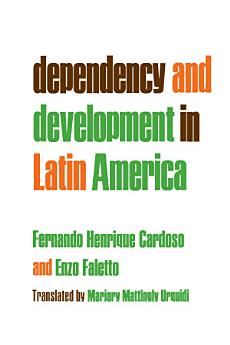
Dependency and Development in Latin America
ମାର୍ଚ୍ଚ 1979 · Univ of California Press
ଇବୁକ୍
227
ପୃଷ୍ଠାଗୁଡ଼ିକ
family_home
ଯୋଗ୍ୟ
info
ଏହି ଇବୁକ୍ ବିଷୟରେ
At the end of World War II, several Latin American countries seemed to be ready for industrialization and self-sustaining economic growth. Instead, they found that they had exchanged old forms of political and economic dependence for a new kind of dependency on the international capitalism of multinational corporations. In the much-acclaimed original Spanish edition (Dependencia y Desarrollo en América Latina) and now in the expanded and revised English version, Cardoso and Faletto offer a sophisticated analysis of the economic development of Latin America.
The economic dependency of Latin America stems not merely from the domination of the world market over internal national and "enclave" economies, but also from the much more complex interact ion of economic drives, political structures, social movements, and historically conditioned alliances. While heeding the unique histories of individual nations, the authors discern four general stages in Latin America's economic development: the early outward expansion of newly independent nations, the political emergence of the middle sector, the formation of internal markets in response to population growth, and the new dependence on international markets. In a postscript for this edition, Cardoso and Faletto examine the political, social and economic changes of the past ten years in light of their original hypotheses.
At the end of World War II, several Latin American countries seemed to be ready for industrialization and self-sustaining economic growth. Instead, they found that they had exchanged old forms of political and economic dependence for a new kind of depende
At the end of World War II, several Latin American countries seemed to be ready for industrialization and self-sustaining economic growth. Instead, they found that they had exchanged old forms of political and economic dependence for a new kind of dependency on the international capitalism of mul...
ଅଧିକ ଡିସ୍କଭର କରନ୍ତୁ
ଏହି ଇବୁକ୍କୁ ମୂଲ୍ୟାଙ୍କନ କରନ୍ତୁ
ଆପଣ କଣ ଭାବୁଛନ୍ତି ତାହା ଆମକୁ ଜଣାନ୍ତୁ।
ପଢ଼ିବା ପାଇଁ ତଥ୍ୟ
ସ୍ମାର୍ଟଫୋନ ଓ ଟାବଲେଟ
Google Play Books ଆପ୍କୁ, Android ଓ iPad/iPhone ପାଇଁ ଇନଷ୍ଟଲ୍ କରନ୍ତୁ। ଏହା ସ୍ଵଚାଳିତ ଭାବେ ଆପଣଙ୍କ ଆକାଉଣ୍ଟରେ ସିଙ୍କ ହୋଇଯିବ ଏବଂ ଆପଣ ଯେଉଁଠି ଥାଆନ୍ତୁ ନା କାହିଁକି ଆନଲାଇନ୍ କିମ୍ବା ଅଫଲାଇନ୍ରେ ପଢ଼ିବା ପାଇଁ ଅନୁମତି ଦେବ।
ଲାପଟପ ଓ କମ୍ପ୍ୟୁଟର
ନିଜର କମ୍ପ୍ୟୁଟର୍ରେ ଥିବା ୱେବ୍ ବ୍ରାଉଜର୍କୁ ବ୍ୟବହାର କରି Google Playରୁ କିଣିଥିବା ଅଡିଓବୁକ୍କୁ ଆପଣ ଶୁଣିପାରିବେ।
ଇ-ରିଡର୍ ଓ ଅନ୍ୟ ଡିଭାଇସ୍ଗୁଡ଼ିକ
Kobo eReaders ପରି e-ink ଡିଭାଇସଗୁଡ଼ିକରେ ପଢ଼ିବା ପାଇଁ, ଆପଣଙ୍କୁ ଏକ ଫାଇଲ ଡାଉନଲୋଡ କରି ଏହାକୁ ଆପଣଙ୍କ ଡିଭାଇସକୁ ଟ୍ରାନ୍ସଫର କରିବାକୁ ହେବ। ସମର୍ଥିତ eReadersକୁ ଫାଇଲଗୁଡ଼ିକ ଟ୍ରାନ୍ସଫର କରିବା ପାଇଁ ସହାୟତା କେନ୍ଦ୍ରରେ ଥିବା ସବିଶେଷ ନିର୍ଦ୍ଦେଶାବଳୀକୁ ଅନୁସରଣ କରନ୍ତୁ।