About this ebook
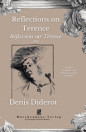
In 1760, Denis Diderot penned "Analyse de Carite et Polydore," a critical study of the novel "Les Amours de Carite et de Polydore," which was a pastiche by the abbé Barthélémy. It was published clandestinely in 1760 through underground Parisian literary circles and exemplifies the Enlightenment's fascination with classical forms while simultaneously subverting them. This peculiar analytical work emerged during Diderot's most feverishly productive period, when he was simultaneously directing the monumental Encyclopédie project while producing his most daring philosophical fictions. Though often eclipsed by his more provocative works like "La Religieuse" and "Jacques le Fataliste," this lesser known analytical piece provides extraordinary understanding into eighteenth century literary criticism and Diderot's evolving aesthetics. The text studies a purportedly ancient Greek romance through the viewpoint of Enlightenment rationality, employing the analytical methods Diderot championed throughout his career while subtly undermining conventional interpretive structures. The analysis proceeds through methodical dissection of story elements, character psychology, and philosophical consequences, yet what makes this work especially detailed is its deliberate ambiguity on its subject matter. "Analyse de Carite et Polydore" is noteworthy for its detailed dissection of the novel's plot and characters, showing both its strengths and weaknesses. Diderot's critique shows his broader literary and philosophical interests, especially his advocacy for realism and emotional authenticity in art. This work, though less known than his other writings, provides valuable understanding into Diderot's critical method and his views on literature. For Analysis of Charita and Polydore, the edition contains a new Epilogue by the translator, a glossary of Philosophical Terms used by Diderot, a chronology of his core life and works, and a summary index of all of Diderot's works. The translation of Analysis of Charita and Polydore renders Diderot's eighteenth-century French in contemporary English and situates the work within the intellectual currents surrounding him.
In 1760, Denis Diderot penned "Analyse de Carite et Polydore," a critical study of the novel "Les Amours de Carite et de Polydore," which was a pastiche by the abbé Barthélémy. It was published clandestinely in 1760 through underground Parisian literary circles and exemplifies the Enlightenment's...
Discover more
About the author
Denis Diderot (1713 to 1784) was a French writer, philosopher, art critic, and editor. He directed much of the Encyclopédie, wrote fiction and drama, and produced essays on art, religion, natural philosophy, education, politics, and the material basis of mind.
Denis Diderot (1713 to 1784) was a French writer, philosopher, art critic, and editor. He directed much of the Encyclopédie, wrote fiction and drama, and produced essays on art, religion, natural philosophy, education, politics, and the material basis of mind.
Rate this ebook
Tell us what you think.
Reading information
Smartphones and tablets
Install the Google Play Books app for Android and iPad/iPhone. It syncs automatically with your account and allows you to read online or offline wherever you are.
Laptops and computers
You can listen to audiobooks purchased on Google Play using your computer's web browser.
eReaders and other devices
To read on e-ink devices like Kobo eReaders, you'll need to download a file and transfer it to your device. Follow the detailed Help Center instructions to transfer the files to supported eReaders.