এই ই-বুকের বিষয়ে
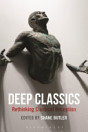
Fragmented, buried, and largely lost, the classical past presents formidable obstacles to anyone who would seek to know it. 'Deep Classics' is the study of these obstacles and, in particular, of the way in which the contemplation of the classical past resembles and has even provided a model for other kinds of human endeavor. This volume offers a new way to understand the modalities and aims of Classics itself, through the ages. Its individual chapters draw fruitful connections between the reception of the classical and current concerns in philosophy of mind, cognitive theory, epistemology, media studies, sense studies, aesthetics, queer theory and eco-criticism.
What does the study of the ancient past teach us about our encounters with our own more recent but still elusive memories? What do our always partial reconstructions of ancient sites tell us about the limits of our ability to know our own world, or to imagine our future? What does the reader of the lacunose and corrupted literatures of antiquity learn thereby about literature and language themselves? What does a shattered statue reveal about art, matter, sensation, experience, life? Does the way in which these vestiges of the past are encountered sitting in a library, standing in a gallery, moving through a ruin condition our responses to them and alter their significance? And finally, how has the contemplation of antiquity helped to shape seemingly unrelated disciplines, including not only other humanistic and scientific epistemologies but also non-scholarly modes and practices? In asking these and similar questions, Deep Classics makes a pointed intervention in the study of the classical tradition, now more widely known as 'reception studies'.
What does the study of the ancient past teach us about our encounters with our own more recent but still elusive memories? What do our always partial reconstructions of ancient sites tell us about the limits of our ability to know our own world, or to imagine our future? What does the reader of the lacunose and corrupted literatures of antiquity learn thereby about literature and language themselves? What does a shattered statue reveal about art, matter, sensation, experience, life? Does the way in which these vestiges of the past are encountered sitting in a library, standing in a gallery, moving through a ruin condition our responses to them and alter their significance? And finally, how has the contemplation of antiquity helped to shape seemingly unrelated disciplines, including not only other humanistic and scientific epistemologies but also non-scholarly modes and practices? In asking these and similar questions, Deep Classics makes a pointed intervention in the study of the classical tradition, now more widely known as 'reception studies'.
Fragmented, buried, and largely lost, the classical past presents formidable obstacles to anyone who would seek to know it. 'Deep Classics' is the study of these obstacles and, in particular, of the way in which the contemplation of the classical past resembles and has even provided a model for...
আরও খুঁজুন
লেখক সম্পর্কে
Shane Butler is Professor of Classics at Johns Hopkins University, USA. He is author of The Ancient Phonograph (2015) and co-editor of Synaesthesia and the Ancient Senses (2013).
Shane Butler is Professor of Classics at Johns Hopkins University, USA. He is author of The Ancient Phonograph (2015) and co-editor of Synaesthesia and the Ancient Senses (2013).
ই-বুকে রেটিং দিন
আপনার মতামত জানান।
পঠন তথ্য
স্মার্টফোন এবং ট্যাবলেট
Android এবং iPad/iPhone এর জন্য Google Play বই অ্যাপ ইনস্টল করুন। এটি আপনার অ্যাকাউন্টের সাথে অটোমেটিক সিঙ্ক হয় ও আপনি অনলাইন বা অফলাইন যাই থাকুন না কেন আপনাকে পড়তে দেয়।
ল্যাপটপ ও কম্পিউটার
Google Play থেকে কেনা অডিওবুক আপনি কম্পিউটারের ওয়েব ব্রাউজারে শুনতে পারেন।
eReader এবং অন্যান্য ডিভাইস
Kobo eReaders-এর মতো e-ink ডিভাইসে পড়তে, আপনাকে একটি ফাইল ডাউনলোড ও আপনার ডিভাইসে ট্রান্সফার করতে হবে। ব্যবহারকারীর উদ্দেশ্যে তৈরি সহায়তা কেন্দ্রতে দেওয়া নির্দেশাবলী অনুসরণ করে যেসব eReader-এ ফাইল পড়া যাবে সেখানে ট্রান্সফার করুন।