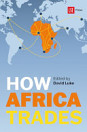
How Africa Eats: Trade, Food Security and Climate Risks
About this ebook
Using a data-led approach, this book examines in detail what Africa eats and where and how it is produced. It investigates how finance, investment, foreign aid, institutions, actors and capacities interact with policies in holding Africa back from becoming an agricultural powerhouse despite having 60 per cent of the world’s arable land area.
The book evaluates how climate change exacerbates the continent’s challenges and scrutinises the sustainability of production systems in the face of environmental volatility. Experts in trade policy, international law and development unpack the barriers that currently limit the growth of intra-African food trade, including the role of the World Trade Organization (WTO), and model the expected impact of the implementation of the African Continental Free Trade Area (AfCFTA) on agricultural trade.
The extent of food deprivation in Africa is sobering. The United Nations estimates that a fifth of the African population is undernourished, and a quarter live with the day-to-day experience of severe food insecurity. How Africa Eats provides a vital, open access resource for academics, policymakers and trade experts seeking to address the continent’s food insecurity in the face of urgent threats from climate change, trade barriers and complex policy challenges.
Discover more
About the author
David Luke is professor in practice and strategic director at the London School of Economics’ Firoz Lalji Institute for Africa, where he oversees a programme on African trade policy. He is a former director of the African Trade Policy Centre at the UN Economic Commission for Africa (ECA), where he led the technical work on the protocols that make up the African Continental Free Trade Area (AfCFTA) Agreement. His research interests include boosting intra-African trade; the AfCFTA initiative; Africa’s multilateral and bilateral trade relationships; and how trade policy intersects with industrialisation, structural transformation, inclusion, gender, public health and climate change. He is a member of the Board of TradeMark Africa and of the Council of the Africa Trade Foundation.