Lecture Notes in Water Policy
About this ebook
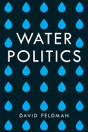
In short, we face three imminent challenges regarding freshwater: (1) demands by agriculture, cities, industry, and energy production are increasing; (2) severe pollution from various contaminants and growing withdrawals are limiting the capacity of waterways to dilute contaminants — threatening human and aquatic life; and, (3) climate change will cause periods of frequent and severe droughts — punctuated by acute periods of flooding.
The goal of this book is to illuminate how the governance of freshwater is a political, social, economic, cultural, and ecological challenge. The management and provision of water are not merely technical problems whose resolution hinges on hydrological principle, cost, or engineering feasibility. They are products of decisions made by governments, businesses, and interest groups that exercise control over who has access to water, how they use it, and in what condition they receive it. It discusses basic knowledge about water supply and quality; the evolution of water policy in different societies; the importance of water to human and environmental health; the role of law, politics, and markets in its allocation, use, and protection; and, the importance of ethics in its equitable provision.