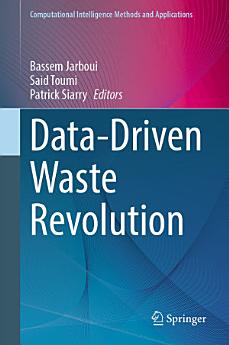
Data-Driven Waste Revolution

ยท ยท
ยท Springer Nature
เช‡-เชชเซเชธเซเชคเช•
301
เชชเซ‡เชœ

เช† เช‡-เชชเซเชธเซเชคเช• เชตเชฟเชถเซ‡

In todayโ€™s world, the concept of a circular economy has emerged as a vital solution to address pressing environmental concerns and foster sustainable development. At its core, the circular economy aims to minimize waste generation by keeping resources in use for as long as possible, thereby reducing the strain on natural ecosystems and promoting resource efficiency.

Operations research and data science play a crucial role in implementing circular economy principles by bridging the gap between data generated from new technologies and decision-making processes.

This book serves as a comprehensive guide, illustrating how operations research and data science techniques can function as a decision support system, facilitating the optimal implementation of circular economy principles. With a particular focus on waste management, the book delves into various aspects such as recycling, reusing, and refurbishing, providing practical real-world applications and examples.

By blending theoretical frameworks with practical insights, the book empowers both professionals and researchers with the essential tools and knowledge to navigate the intricacies of sustainable waste management. It underscores the significance of operations research and data science in facilitating the optimal implementation of circular economy principles. Offering comprehensive insights and actionable examples, readers acquire valuable guidance for implementing positive changes in waste management practices.

In todayโ€™s world, the concept of a circular economy has emerged as a vital solution to address pressing environmental concerns and foster sustainable development. At its core, the circular economy aims to minimize waste generation by keeping resources in use for as long as possible, thereby reduc...

เชตเชงเซ เชถเซ‹เชงเซ‹

เชฒเซ‡เช–เช• เชตเชฟเชถเซ‡

Bassem Jarboui is a full professor and chair of excellence in circular economy at Universitรฉ Polytechnique Hauts-de-France, France. He had edited eight books and two special journal issues. He also organized and chaired five international conferences. He published over 150 scientific papers including books, academic journals, edited proceedings, and book chapters.

Said Toumi holds a PhD in operations research and serves as an assistant professor at the Higher Institute of Transport and Logistics of Sousse. He is currently affiliated with the College of Business Administration at Majmaah University in Saudi Arabia. His research interests primarily focus on using data science and operations research tools to solve problems in logistics and supply chain management.

Patrick Siarry has received the PhD degree from the University Paris 6 in 1986 and the Doctorate of Sciences (Habilitation) from the University Paris 11 in 1994. He was first involved in the development of analog and digital models of nuclear power plants at Electricite de France (EDF). Since 1995, he is a professor in automatics and informatics. His main research interests are the applications of new stochastic global optimization heuristics to various engineering fields.

Bassem Jarboui is a full professor and chair of excellence in circular economy at Universitรฉ Polytechnique Hauts-de-France, France. He had edited eight books and two special journal issues. He also organized and chaired five international conferences. He published over 150 scientific papers inclu...

เช† เช‡-เชชเซเชธเซเชคเช•เชจเซ‡ เชฐเซ‡เชŸเชฟเช‚เช— เช†เชชเซ‹

เชคเชฎเซ‡ เชถเซเช‚ เชตเชฟเชšเชพเชฐเซ‹ เช›เซ‹ เช…เชฎเชจเซ‡ เชœเชฃเชพเชตเซ‹.

เชฎเชพเชนเชฟเชคเซ€ เชตเชพเช‚เชšเชตเซ€

เชธเซเชฎเชพเชฐเซเชŸเชซเซ‹เชจ เช…เชจเซ‡ เชŸเซ…เชฌเซเชฒเซ‡เชŸ
Android เช…เชจเซ‡ iPad/iPhone เชฎเชพเชŸเซ‡ Google Play Books เชเชช เช‡เชจเซเชธเซเชŸเซ‰เชฒ เช•เชฐเซ‹. เชคเซ‡ เชคเชฎเชพเชฐเชพ เชเช•เชพเช‰เชจเซเชŸ เชธเชพเชฅเซ‡ เช‘เชŸเซ‹เชฎเซ…เชŸเชฟเช• เชฐเซ€เชคเซ‡ เชธเชฟเช‚เช• เชฅเชพเชฏ เช›เซ‡ เช…เชจเซ‡ เชคเชฎเชจเซ‡ เชœเซเชฏเชพเช‚ เชชเชฃ เชนเซ‹ เชคเซเชฏเชพเช‚ เชคเชฎเชจเซ‡ เช‘เชจเชฒเชพเช‡เชจ เช…เชฅเชตเชพ เช‘เชซเชฒเชพเช‡เชจ เชตเชพเช‚เชšเชตเชพเชจเซ€ เชฎเช‚เชœเซ‚เชฐเซ€ เช†เชชเซ‡ เช›เซ‡.
เชฒเซ…เชชเชŸเซ‰เชช เช…เชจเซ‡ เช•เชฎเซเชชเซเชฏเซเชŸเชฐ
Google Play เชชเชฐ เช–เชฐเซ€เชฆเซ‡เชฒ เช‘เชกเชฟเช“เชฌเซเช•เชจเซ‡ เชคเชฎเซ‡ เชคเชฎเชพเชฐเชพ เช•เชฎเซเชชเซเชฏเซเชŸเชฐเชจเชพ เชตเซ‡เชฌ เชฌเซเชฐเชพเช‰เชเชฐเชจเซ‹ เช‰เชชเชฏเซ‹เช— เช•เชฐเซ€เชจเซ‡ เชธเชพเช‚เชญเชณเซ€ เชถเช•เซ‹ เช›เซ‹.
eReaders เช…เชจเซ‡ เช…เชจเซเชฏ เชกเชฟเชตเชพเช‡เชธ
Kobo เช‡-เชฐเซ€เชกเชฐ เชœเซ‡เชตเชพ เช‡-เช‡เช‚เช• เชกเชฟเชตเชพเช‡เชธ เชชเชฐ เชตเชพเช‚เชšเชตเชพ เชฎเชพเชŸเซ‡, เชคเชฎเชพเชฐเซ‡ เชซเชพเช‡เชฒเชจเซ‡ เชกเชพเช‰เชจเชฒเซ‹เชก เช•เชฐเซ€เชจเซ‡ เชคเชฎเชพเชฐเชพ เชกเชฟเชตเชพเช‡เชธ เชชเชฐ เชŸเซเชฐเชพเชจเซเชธเชซเชฐ เช•เชฐเชตเชพเชจเซ€ เชœเชฐเซ‚เชฐ เชชเชกเชถเซ‡. เชธเชชเซ‹เชฐเซเชŸเซ‡เชก เช‡-เชฐเซ€เชกเชฐ เชชเชฐ เชซเชพเช‡เชฒเซ‹ เชŸเซเชฐเชพเชจเซเชธเซเชซเชฐ เช•เชฐเชตเชพ เชฎเชพเชŸเซ‡ เชธเชนเชพเชฏเชคเชพ เช•เซ‡เชจเซเชฆเซเชฐเชจเซ€ เชตเชฟเช—เชคเชตเชพเชฐ เชธเซ‚เชšเชจเชพเช“ เช…เชจเซเชธเชฐเซ‹.