এই ইবুকখনৰ বিষয়ে
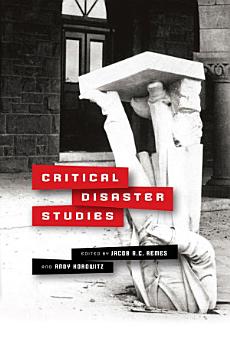
This book announces the new, interdisciplinary field of critical disaster studies. Unlike most existing approaches to disaster, critical disaster studies begins with the idea that disasters are not objective facts, but rather are interpretive fictions—and they shape the way people see the world. By questioning the concept of disaster itself, critical disaster studies reveals the stakes of defining people or places as vulnerable, resilient, or at risk.
As social constructs, disaster, vulnerability, resilience, and risk shape and are shaped by contests over power. Managers and technocrats often herald the goals of disaster response and recovery as objective, quantifiable, or self-evident. In reality, the goals are subjective, and usually contested. Critical disaster studies attends to the ways powerful people often use claims of technocratic expertise to maintain power.
Moreover, rather than existing as isolated events, disasters take place over time. People commonly imagine disasters to be unexpected and sudden, making structural conditions appear contingent, widespread conditions appear local, and chronic conditions appear acute. By placing disasters in broader contexts, critical disaster studies peels away that veneer.
With chapters by scholars of five continents and seven disciplines, Critical Disaster Studies asks how disasters come to be known as disasters, how disasters are used as tools of governance and politics, and how people imagine and anticipate disasters. The volume will be of interest to scholars of disaster in any discipline and especially to those teaching the growing number of courses on disaster studies.
As social constructs, disaster, vulnerability, resilience, and risk shape and are shaped by contests over power. Managers and technocrats often herald the goals of disaster response and recovery as objective, quantifiable, or self-evident. In reality, the goals are subjective, and usually contested. Critical disaster studies attends to the ways powerful people often use claims of technocratic expertise to maintain power.
Moreover, rather than existing as isolated events, disasters take place over time. People commonly imagine disasters to be unexpected and sudden, making structural conditions appear contingent, widespread conditions appear local, and chronic conditions appear acute. By placing disasters in broader contexts, critical disaster studies peels away that veneer.
With chapters by scholars of five continents and seven disciplines, Critical Disaster Studies asks how disasters come to be known as disasters, how disasters are used as tools of governance and politics, and how people imagine and anticipate disasters. The volume will be of interest to scholars of disaster in any discipline and especially to those teaching the growing number of courses on disaster studies.
This book announces the new, interdisciplinary field of critical disaster studies. Unlike most existing approaches to disaster, critical disaster studies begins with the idea that disasters are not objective facts, but rather are interpretive fictions—and they shape the way people see the world. ...
অধিক বিচাৰি পাওক
লিখকৰ বিষয়ে
Andy Horowitz is Assistant Professor of History and the Paul and Debra Gibbons Professor in the School of Liberal Arts at Tulane University. Jacob A. C. Remes is Clinical Associate Professor of History at the Gallatin School of Individualized Study, New York University.
Andy Horowitz is Assistant Professor of History and the Paul and Debra Gibbons Professor in the School of Liberal Arts at Tulane University. Jacob A. C. Remes is Clinical Associate Professor of History at the Gallatin School of Individualized Study, New York University.
এই ইবুকখনক মূল্যাংকন কৰক
আমাক আপোনাৰ মতামত জনাওক।
পঢ়াৰ নির্দেশাৱলী
স্মাৰ্টফ’ন আৰু টেবলেট
Android আৰু iPad/iPhoneৰ বাবে Google Play Books এপটো ইনষ্টল কৰক। ই স্বয়ংক্রিয়ভাৱে আপোনাৰ একাউণ্টৰ সৈতে ছিংক হয় আৰু আপুনি য'তে নাথাকক ত'তেই কোনো অডিঅ'বুক অনলাইন বা অফলাইনত শুনিবলৈ সুবিধা দিয়ে।
লেপটপ আৰু কম্পিউটাৰ
আপুনি কম্পিউটাৰৰ ৱেব ব্রাউজাৰ ব্যৱহাৰ কৰি Google Playত কিনা অডিঅ'বুকসমূহ শুনিব পাৰে।
ই-ৰীডাৰ আৰু অন্য ডিভাইচ
Kobo eReadersৰ দৰে ই-চিয়াঁহীৰ ডিভাইচসমূহত পঢ়িবলৈ, আপুনি এটা ফাইল ডাউনল’ড কৰি সেইটো আপোনাৰ ডিভাইচলৈ স্থানান্তৰণ কৰিব লাগিব। সমৰ্থিত ই-ৰিডাৰলৈ ফাইলটো কেনেকৈ স্থানান্তৰ কৰিব জানিবলৈ সহায় কেন্দ্ৰত থকা সবিশেষ নিৰ্দেশাৱলী চাওক।


