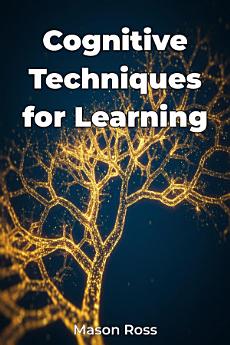
Cognitive Techniques for Learning

ยท
ยท Publifye AS
เจˆ-เจ•เจฟเจคเจพเจฌ
84
เจชเฉฐเจจเฉ‡
เจŸเฉ‚เจฒ
เจฏเฉ‹เจ—

เจ‡เจธ เจˆ-เจ•เจฟเจคเจพเจฌ เจฌเจพเจฐเฉ‡

Cognitive Techniques for Learning explores how targeted cognitive training can significantly enhance learning abilities, especially for individuals with cognitive disabilities. Challenging the assumption that cognitive limitations are fixed, the book demonstrates how techniques rooted in cognitive psychology can improve memory enhancement, attention regulation, and problem-solving strategies, which are all essential for effective and inclusive learning experiences. Did you know that structured cognitive training, when tailored to individual needs, can lead to measurable improvements in cognitive abilities? Or that personalized cognitive training allows for the tailoring of training programs to meet specific needs?

The book begins with foundational knowledge of cognitive disabilities and relevant cognitive psychology theories. Progressing through chapters dedicated to attention, memory, and executive functions, it examines specific training techniques, like mnemonic strategies and errorless learning. It culminates in integrative approaches for comprehensive learning programs and guidance for educators, therapists, and caregivers.

This book uniquely emphasizes personalized cognitive training and a data-driven approach to identifying individual cognitive strengths and weaknesses. Drawing upon extensive research and case studies, the book provides a rigorous, evidence-based foundation for its recommendations. The material connects to education, rehabilitation science, and neuroscience, providing insights into inclusive teaching practices and how the brain adapts to targeted interventions.

By focusing on practical, evidence-based strategies, Cognitive Techniques for Learning aims to empower educators and caregivers with tools to improve learning outcomes.

Cognitive Techniques for Learning explores how targeted cognitive training can significantly enhance learning abilities, especially for individuals with cognitive disabilities. Challenging the assumption that cognitive limitations are fixed, the book demonstrates how techniques rooted in cognitiv...

เจนเฉ‹เจฐ เจฒเฉฑเจญเฉ‹

เจ‡เจธ เจˆ-เจ•เจฟเจคเจพเจฌ เจจเฉ‚เฉฐ เจฐเฉ‡เจŸ เจ•เจฐเฉ‹

เจ†เจชเจฃเฉ‡ เจตเจฟเจšเจพเจฐ เจฆเฉฑเจธเฉ‹

เจชเฉœเฉเจนเจจ เจธเฉฐเจฌเฉฐเจงเฉ€ เจœเจพเจฃเจ•เจพเจฐเฉ€

เจธเจฎเจพเจฐเจŸเจซเจผเฉ‹เจจ เจ…เจคเฉ‡ เจŸเฉˆเจฌเจฒเฉˆเฉฑเจŸ
Google Play Books เจเจช เจจเฉ‚เฉฐ Android เจ…เจคเฉ‡ iPad/iPhone เจฒเจˆ เจธเจฅเจพเจชเจค เจ•เจฐเฉ‹เฅค เจ‡เจน เจคเฉเจนเจพเจกเฉ‡ เจ–เจพเจคเฉ‡ เจจเจพเจฒ เจธเจตเฉˆเจšเจฒเจฟเจค เจคเฉŒเจฐ 'เจคเฉ‡ เจธเจฟเฉฐเจ• เจ•เจฐเจฆเฉ€ เจนเฉˆ เจ…เจคเฉ‡ เจคเฉเจนเจพเจจเฉ‚เฉฐ เจ•เจฟเจคเฉ‹เจ‚ เจตเฉ€ เจ†เจจเจฒเจพเจˆเจจ เจœเจพเจ‚ เจ†เจซเจผเจฒเจพเจˆเจจ เจชเฉœเฉเจนเจจ เจฆเจฟเฉฐเจฆเฉ€ เจนเฉˆเฅค
เจฒเฉˆเจชเจŸเจพเจช เจ…เจคเฉ‡ เจ•เฉฐเจชเจฟเจŠเจŸเจฐ
เจคเฉเจธเฉ€เจ‚ เจ†เจชเจฃเฉ‡ เจ•เฉฐเจชเจฟเจŠเจŸเจฐ เจฆเจพ เจตเฉˆเฉฑเจฌ เจฌเฉเจฐเจพเจŠเจœเจผเจฐ เจตเจฐเจคเจฆเฉ‡ เจนเฉ‹เจ Google Play 'เจคเฉ‡ เจ–เจฐเฉ€เจฆเฉ€เจ†เจ‚ เจ—เจˆเจ†เจ‚ เจ†เจกเฉ€เจ“-เจ•เจฟเจคเจพเจฌเจพเจ‚ เจธเฉเจฃ เจธเจ•เจฆเฉ‡ เจนเฉ‹เฅค
eReaders เจ…เจคเฉ‡ เจนเฉ‹เจฐ เจกเฉ€เจตเจพเจˆเจธเจพเจ‚
e-ink เจกเฉ€เจตเจพเจˆเจธเจพเจ‚ 'เจคเฉ‡ เจชเฉœเฉเจนเจจ เจฒเจˆ เจœเจฟเจตเฉ‡เจ‚ Kobo eReaders, เจคเฉเจนเจพเจจเฉ‚เฉฐ เฉžเจพเจˆเจฒ เจกเจพเจŠเจจเจฒเฉ‹เจก เจ•เจฐเจจ เจ…เจคเฉ‡ เจ‡เจธเจจเฉ‚เฉฐ เจ†เจชเจฃเฉ‡ เจกเฉ€เจตเจพเจˆเจธ 'เจคเฉ‡ เจŸเฉเจฐเจพเจ‚เจธเจซเจฐ เจ•เจฐเจจ เจฆเฉ€ เจฒเฉ‹เฉœ เจนเฉ‹เจตเฉ‡เจ—เฉ€เฅค เจธเจฎเจฐเจฅเจฟเจค eReaders 'เจคเฉ‡ เฉžเจพเจˆเจฒเจพเจ‚ เจŸเฉเจฐเจพเจ‚เจธเจซเจฐ เจ•เจฐเจจ เจฒเจˆ เจตเฉ‡เจฐเจตเฉ‡ เจธเจนเจฟเจค เจฎเจฆเจฆ เจ•เฉ‡เจ‚เจฆเจฐ เจนเจฟเจฆเจพเจ‡เจคเจพเจ‚ เจฆเฉ€ เจชเจพเจฒเจฃเจพ เจ•เจฐเฉ‹เฅค