Об электронной книге
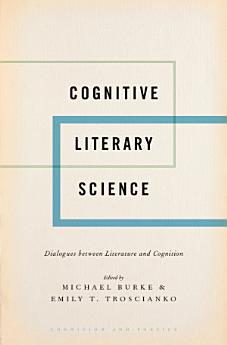
This book brings together researchers with cognitive-scientific and literary backgrounds to present innovative research in all three variations on the possible interactions between literary studies and cognitive science. The tripartite structure of the volume reflects a more ambitious conception of what cognitive approaches to literature are and could be than is usually encountered, and thus aims both to map out and to advance the field. The first section corresponds to what most people think of as "cognitive poetics" or "cognitive literary studies": the study of literature by literary scholars drawing on cognitive-scientific methods, findings, and/or debates to yield insights into literature. The second section demonstrates that literary scholars needn't only make use of cognitive science to study literature, but can also, in a reciprocally interdisciplinary manner, use a cognitively informed perspective on literature to offer benefits back to the cognitive sciences. Finally, the third section, "literature in cognitive science", showcases some of the ways in which literature can be a stimulating object of study and a fertile testing ground for theories and models, not only to literary scholars but also to cognitive scientists, who here engage with some key questions in cognitive literary studies with the benefit of their in-depth scientific knowledge and training.
This book brings together researchers with cognitive-scientific and literary backgrounds to present innovative research in all three variations on the possible interactions between literary studies and cognitive science. The tripartite structure of the volume reflects a more ambitious conception ...
Об авторе
Michael Burke is Professor of Rhetoric at University College Roosevelt (Utrecht University). He is the author of Literary Reading Cognition and Emotion: An Exploration of the Oceanic Mind (2011). He has published numerous chapters and articles on the topic of cognitive literary science. His areas of interest also include classical rhetoric, stylistics, and pragmatics. Emily T. Troscianko is a Research Associate in the Faculty of Medieval and Modern Languages at the University of Oxford, and in 2014-15 was a Knowledge Exchange Fellow at the Oxford Research Centre in the Humanities, collaborating with Beat, the leading UK eating disorders charity. The book from her doctoral thesis, Kafka's cognitive realism, came out with Routledge in 2014, and she is now working at the intersection of the cognitive and medical humanities, while co-authoring, with Susan Blackmore, the third edition of the psychology textbook Consciousness: An Introduction.
Michael Burke is Professor of Rhetoric at University College Roosevelt (Utrecht University). He is the author of Literary Reading Cognition and Emotion: An Exploration of the Oceanic Mind (2011). He has published numerous chapters and articles on the topic of cognitive literary science. His areas...
Оцените электронную книгу
Поделитесь с нами своим мнением.
Где читать книги
Смартфоны и планшеты
Установите приложение Google Play Книги для Android или iPad/iPhone. Оно синхронизируется с вашим аккаунтом автоматически, и вы сможете читать любимые книги онлайн и офлайн где угодно.
Ноутбуки и настольные компьютеры
Слушайте аудиокниги из Google Play в веб-браузере на компьютере.
Устройства для чтения книг
Чтобы открыть книгу на таком устройстве для чтения, как Kobo, скачайте файл и добавьте его на устройство. Подробные инструкции можно найти в Справочном центре.