এই ইবুকখনৰ বিষয়ে
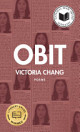
Taking its concept of concentricity from the eponymous Ralph Waldo Emerson essay, Circle, the first collection from Victoria Chang, adopts the shape as a trope for gender, family, and history. These lyrical, narrative, and hybrid poems trace the spiral trajectory of womanhood and growth and plot the progression of self as it ebbs away from and returns to its roots in an Asian American family and context. Locating human desire within the helixes of politics, society, and war, Chang skillfully draws arcs between T’ang Dynasty suicides and Alfred Hitchcock leading ladies, between the Hong Kong Flower Lounge and an all-you-can-eat Sunday brunch, the Rape of Nanking and civilian casualties in Iraq.
Taking its concept of concentricity from the eponymous Ralph Waldo Emerson essay, Circle, the first collection from Victoria Chang, adopts the shape as a trope for gender, family, and history. These lyrical, narrative, and hybrid poems trace the spiral trajectory of womanhood and growth and plot ...
লিখকৰ বিষয়ে
Victoria Chang’s poems have appeared in Poetry, The Nation, Virginia Quarterly Review, Kenyon Review, New England Review, Threepenny Review, Best American Poetry 2005, and other publications, and she is the editor of the anthology Asian American Poetry: The Next Generation. She has earned degrees from the University of Michigan, Harvard University, and Stanford University, and is the recipient of a Bread Loaf Scholarship, a Kenyon Writer’s Workshop Taylor Fellowship, the Hopwood Award, and the Holden Minority Fellowship from the MFA program at Warren Wilson College. She resides in Los Angeles.
Victoria Chang’s poems have appeared in Poetry, The Nation, Virginia Quarterly Review, Kenyon Review, New England Review, Threepenny Review, Best American Poetry 2005, and other publications, and she is the editor of the anthology Asian American Poetry: The Next Generation. She has earned degrees...
এই ইবুকখনক মূল্যাংকন কৰক
আমাক আপোনাৰ মতামত জনাওক।
পঢ়াৰ নির্দেশাৱলী
স্মাৰ্টফ’ন আৰু টেবলেট
Android আৰু iPad/iPhoneৰ বাবে Google Play Books এপটো ইনষ্টল কৰক। ই স্বয়ংক্রিয়ভাৱে আপোনাৰ একাউণ্টৰ সৈতে ছিংক হয় আৰু আপুনি য'তে নাথাকক ত'তেই কোনো অডিঅ'বুক অনলাইন বা অফলাইনত শুনিবলৈ সুবিধা দিয়ে।
লেপটপ আৰু কম্পিউটাৰ
আপুনি কম্পিউটাৰৰ ৱেব ব্রাউজাৰ ব্যৱহাৰ কৰি Google Playত কিনা অডিঅ'বুকসমূহ শুনিব পাৰে।
ই-ৰীডাৰ আৰু অন্য ডিভাইচ
Kobo eReadersৰ দৰে ই-চিয়াঁহীৰ ডিভাইচসমূহত পঢ়িবলৈ, আপুনি এটা ফাইল ডাউনল’ড কৰি সেইটো আপোনাৰ ডিভাইচলৈ স্থানান্তৰণ কৰিব লাগিব। সমৰ্থিত ই-ৰিডাৰলৈ ফাইলটো কেনেকৈ স্থানান্তৰ কৰিব জানিবলৈ সহায় কেন্দ্ৰত থকা সবিশেষ নিৰ্দেশাৱলী চাওক।