About this ebook
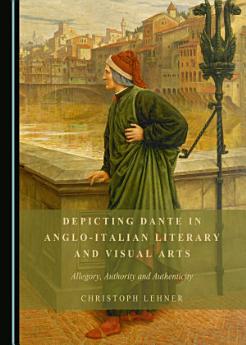
For Dante Gabriel Rossetti the Florentine provides a model for Victorian Dantean self-fashioning and becomes an allegory of authenticity and morality. For T. S. Eliot, Dante represents the voice of literary authority in Modernist poetry and serves as the allegory of a visionary European author. For Tom Phillips, the engagement with Dante and his text represents an intertextual and intermedial endeavour, which provides him with a rich cultural tapestry of art, thought and ideas on the Western world.
The main focus of this study, therefore, is on how Dante’s image was fixed in the first 200 years of his appropriation in Florence, how fruitfully the Dantean images and his text have been taken up and used for creative and intellectual production in Britain over the course of the past centuries, and what moral, literary, or political messages they continue to convey.