អំពីសៀវភៅអេឡិចត្រូនិកនេះ
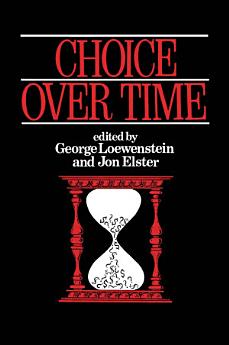
Many of our most urgent national problems suggest a widespread lack of concern for the future. Alarming economic conditions, such as low national savings rates, declining corporate investment in long-term capital projects, and ballooning private and public debt are matched by such social ills as diminished educational achievement, environmental degradation, and high rates of infant mortality, crime, and teenage pregnancy. At the heart of all these troubles lies an important behavioral phenomenon: in the role of consumer, manager, voter, student, or parent, many Americans choose inferior but immediate rewards over greater long-term benefits. Choice Over Time offers a rich sampling of original research on intertemporal choice—how and why people decide between immediate and delayed consequences—from a broad range of theoretical and methodological perspectives in philosophy, political science, psychology, and economics. George Loewenstein, Jon Elster, and their distinguished colleagues review existing theories and forge new approaches to understanding significant questions: Why do people seem to "discount" future benefits? Do individuals use the same decision-making strategy in all aspects of their lives? What part is played by situational factors such as the certainty of delayed consequences? How are decisions affected by personal factors such as willpower and taste? In addressing these issues, the contributors to Choice Over Time address many social, economic, psychological, and personal time problems. Their work demonstrates the predictive power of short-term preferences in behavior as varied as addiction and phobia, the effect of prices on consumption, and the dramatic rise in debt and decline in savings. Choice Over Time provides an essential source for the most recent research and theory on intertemporal choice, offering new models for time preference patterns—and their aberrations—and presenting a diversity of potential solutions to the problem of "temporal myopia."
Many of our most urgent national problems suggest a widespread lack of concern for the future. Alarming economic conditions, such as low national savings rates, declining corporate investment in long-term capital projects, and ballooning private and public debt are matched by such social ills as ...
ស្វែងរកច្រើនទៀត
ការដាក់ផ្កាយ និងមតិវាយតម្លៃ
ការវាយតម្លៃ 2
អំពីអ្នកនិពន្ធ
GEORGE LOEWENSTEIN is professor of economics and psychology, Department of Social and Decision Sciences, Carnegie Mellon University. JON ELSTER is Edward L. Ryerson Distinguished Service Professor of Political Science and Philosophy at the University of Chicago.
GEORGE LOEWENSTEIN is professor of economics and psychology, Department of Social and Decision Sciences, Carnegie Mellon University. JON ELSTER is Edward L. Ryerson Distinguished Service Professor of Political Science and Philosophy at the University of Chicago.
វាយតម្លៃសៀវភៅអេឡិចត្រូនិកនេះ
ប្រាប់យើងអំពីការយល់ឃើញរបស់អ្នក។
អានព័ត៌មាន
ទូរសព្ទឆ្លាតវៃ និងថេប្លេត
ដំឡើងកម្មវិធី Google Play Books សម្រាប់ Android និង iPad/iPhone ។ វាធ្វើសមកាលកម្មដោយស្វ័យប្រវត្តិជាមួយគណនីរបស់អ្នក និងអនុញ្ញាតឱ្យអ្នកអានពេលមានអ៊ីនធឺណិត ឬគ្មានអ៊ីនធឺណិតនៅគ្រប់ទីកន្លែង។
កុំព្យូទ័រយួរដៃ និងកុំព្យូទ័រ
អ្នកអាចស្ដាប់សៀវភៅជាសំឡេងដែលបានទិញនៅក្នុង Google Play ដោយប្រើកម្មវិធីរុករកតាមអ៊ីនធឺណិតក្នុងកុំព្យូទ័ររបស់អ្នក។
eReaders និងឧបករណ៍ផ្សេងទៀត
ដើម្បីអាននៅលើឧបករណ៍ e-ink ដូចជាឧបករណ៍អានសៀវភៅអេឡិចត្រូនិក Kobo អ្នកនឹងត្រូវទាញយកឯកសារ ហើយផ្ទេរវាទៅឧបករណ៍របស់អ្នក។ សូមអនុវត្តតាមការណែនាំលម្អិតរបស់មជ្ឈមណ្ឌលជំនួយ ដើម្បីផ្ទេរឯកសារទៅឧបករណ៍អានសៀវភៅអេឡិចត្រូនិកដែលស្គាល់។