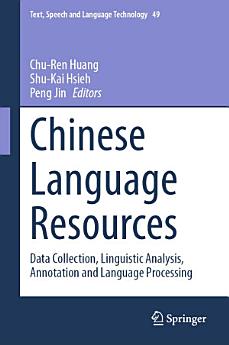
Chinese Language Resources: Data Collection, Linguistic Analysis, Annotation and Language Processing

ยท ยท
ยท Springer Nature
เช‡-เชชเซเชธเซเชคเช•
662
เชชเซ‡เชœ

เช† เช‡-เชชเซเชธเซเชคเช• เชตเชฟเชถเซ‡

Based on the accumulation of research experience and knowledge over the past 30 years, this volume lays out the research issues posed by the construction of various types of Chinese language resources, how they were resolved, and the implication of the solutions for future Chinese language processing research. This volume covers 30 years of development in Chinese language processing, focusing on the impact of conscientious decisions by some leading research groups. It focuses on constructing language resources, which led to thriving research and development of expertise in Chinese language technology today. Contributions from more than 40 leading scholars from various countries explore how Chinese language resources are used in current pioneering NLP research, the future challenges and their implications for computational and theoretical linguistics.


Based on the accumulation of research experience and knowledge over the past 30 years, this volume lays out the research issues posed by the construction of various types of Chinese language resources, how they were resolved, and the implication of the solutions for future Chinese language proces...

เชตเชงเซ เชถเซ‹เชงเซ‹

เชฒเซ‡เช–เช• เชตเชฟเชถเซ‡

Chu-Ren Huang is a chair professor in the Department of Chinese and Bilingual Studies at The Hong Kong Polytechnic University. Focusing on Chinese, computational, and corpus linguistics, he is fascinated by what language can tell us about human cognition and our collective reactions to natural and social environments. He approaches these questions with a deep and comprehensive study of the Chinese language. His recent books on Chinese include A Reference Grammar of Chinese (Cambridge), the Routledge Handbook on Chinese Applied Linguistics, and the Cambridge Handbook of Chinese Linguistics, His recent papers appeared in Behavior Research Methods; Computational Linguistics; Cognitive Linguistics; Corpus Linguistics and Linguistic Theories; Humanities and Social Sciences Communications, Knowledge-Based Systems; Language, Cognition and Neuroscience; Language Resources and Evaluation; Lingua; Natural LanguageEngineering; PLoS One; etc.

Dr. Shu-Kai Hsieh is Associate Professor of Linguistics at National Taiwan University, Taiwan. He received his PhD in Computational Linguistics from the University of Tรผbingen, Germany. He is the supervisor of NTU Lab of Ontologies, Language Processing and e-Humanities, and the founder of Taiwan Olympiad in Linguistics (TOL) and serves as the team leader and head coach of the Taiwanese national teams for International Olympiad in Linguistics.

Peng Jin is a full professor at Leshan Normal University. He co-founded the Sichuan Provincial Key Laboratory of Philosophy and Social Science for Language Intelligence in Special Education in 2022. He also founded the Key Laboratory of Internet Natural Language Processing of Sichuan Provincial Education Department in 2014. He has published tens of top journal and conference papers on natural language processing and has been granted two NSFC projects. He received his PhD degree from Peking University in July 2009, working on word sense disambiguation for his thesis. As a visiting scholar and student, he worked and studied at the University of Sussex, UK, in 2007 and 2014, respectively.



Chu-Ren Huang is a chair professor in the Department of Chinese and Bilingual Studies at The Hong Kong Polytechnic University. Focusing on Chinese, computational, and corpus linguistics, he is fascinated by what language can tell us about human cognition and our collective reactions to natural an...

เช† เช‡-เชชเซเชธเซเชคเช•เชจเซ‡ เชฐเซ‡เชŸเชฟเช‚เช— เช†เชชเซ‹

เชคเชฎเซ‡ เชถเซเช‚ เชตเชฟเชšเชพเชฐเซ‹ เช›เซ‹ เช…เชฎเชจเซ‡ เชœเชฃเชพเชตเซ‹.

เชฎเชพเชนเชฟเชคเซ€ เชตเชพเช‚เชšเชตเซ€

เชธเซเชฎเชพเชฐเซเชŸเชซเซ‹เชจ เช…เชจเซ‡ เชŸเซ…เชฌเซเชฒเซ‡เชŸ
Android เช…เชจเซ‡ iPad/iPhone เชฎเชพเชŸเซ‡ Google Play Books เชเชช เช‡เชจเซเชธเซเชŸเซ‰เชฒ เช•เชฐเซ‹. เชคเซ‡ เชคเชฎเชพเชฐเชพ เชเช•เชพเช‰เชจเซเชŸ เชธเชพเชฅเซ‡ เช‘เชŸเซ‹เชฎเซ…เชŸเชฟเช• เชฐเซ€เชคเซ‡ เชธเชฟเช‚เช• เชฅเชพเชฏ เช›เซ‡ เช…เชจเซ‡ เชคเชฎเชจเซ‡ เชœเซเชฏเชพเช‚ เชชเชฃ เชนเซ‹ เชคเซเชฏเชพเช‚ เชคเชฎเชจเซ‡ เช‘เชจเชฒเชพเช‡เชจ เช…เชฅเชตเชพ เช‘เชซเชฒเชพเช‡เชจ เชตเชพเช‚เชšเชตเชพเชจเซ€ เชฎเช‚เชœเซ‚เชฐเซ€ เช†เชชเซ‡ เช›เซ‡.
เชฒเซ…เชชเชŸเซ‰เชช เช…เชจเซ‡ เช•เชฎเซเชชเซเชฏเซเชŸเชฐ
Google Play เชชเชฐ เช–เชฐเซ€เชฆเซ‡เชฒ เช‘เชกเชฟเช“เชฌเซเช•เชจเซ‡ เชคเชฎเซ‡ เชคเชฎเชพเชฐเชพ เช•เชฎเซเชชเซเชฏเซเชŸเชฐเชจเชพ เชตเซ‡เชฌ เชฌเซเชฐเชพเช‰เชเชฐเชจเซ‹ เช‰เชชเชฏเซ‹เช— เช•เชฐเซ€เชจเซ‡ เชธเชพเช‚เชญเชณเซ€ เชถเช•เซ‹ เช›เซ‹.
eReaders เช…เชจเซ‡ เช…เชจเซเชฏ เชกเชฟเชตเชพเช‡เชธ
Kobo เช‡-เชฐเซ€เชกเชฐ เชœเซ‡เชตเชพ เช‡-เช‡เช‚เช• เชกเชฟเชตเชพเช‡เชธ เชชเชฐ เชตเชพเช‚เชšเชตเชพ เชฎเชพเชŸเซ‡, เชคเชฎเชพเชฐเซ‡ เชซเชพเช‡เชฒเชจเซ‡ เชกเชพเช‰เชจเชฒเซ‹เชก เช•เชฐเซ€เชจเซ‡ เชคเชฎเชพเชฐเชพ เชกเชฟเชตเชพเช‡เชธ เชชเชฐ เชŸเซเชฐเชพเชจเซเชธเชซเชฐ เช•เชฐเชตเชพเชจเซ€ เชœเชฐเซ‚เชฐ เชชเชกเชถเซ‡. เชธเชชเซ‹เชฐเซเชŸเซ‡เชก เช‡-เชฐเซ€เชกเชฐ เชชเชฐ เชซเชพเช‡เชฒเซ‹ เชŸเซเชฐเชพเชจเซเชธเซเชซเชฐ เช•เชฐเชตเชพ เชฎเชพเชŸเซ‡ เชธเชนเชพเชฏเชคเชพ เช•เซ‡เชจเซเชฆเซเชฐเชจเซ€ เชตเชฟเช—เชคเชตเชพเชฐ เชธเซ‚เชšเชจเชพเช“ เช…เชจเซเชธเชฐเซ‹.