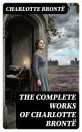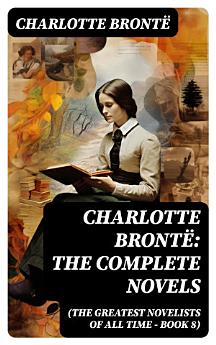
Charlotte Brontë: The Complete Novels (The Greatest Novelists of All Time – Book 8)
Nov 2023 · DigiCat
Ebook
1837
Pages
family_home
Eligible
info
About this ebook
Charlotte Brontë: The Complete Novels compiles the profound literary works of one of the 19th century's most significant authors. This volume elegantly presents Brontë's novels, showcasing her masterful ability to blend gothic elements with incisive social commentary. Her novels, characterized by a deep psychological insight and a keen exploration of themes such as identity, independence, and class, serve as both personal and political critiques of Victorian society. Readers will appreciate the intricate character development and rich, descriptive landscapes that Brontë employs, crafting narratives that remain relevant today. Charlotte Brontë was born in 1816 in Yorkshire, England, into a family of clergymen and educators. Her upbringing in the isolated moors profoundly influenced her writing, imbuing it with a sense of yearning for connection and self-discovery. The death of her siblings and the struggles of women in her time undoubtedly shaped her intense portrayals of female protagonists, who often grapple with societal constraints just as she did in her own life. Brontë's profound understanding of the human condition shines through her work, making her narratives timeless mirrors of both personal and societal struggles. This compilation is a must-read for enthusiasts of classic literature and those interested in feminist literary studies. It invites readers to delve into the complexities of human emotion and societal dynamics as portrayed through Brontë's unforgettable characters. For both seasoned readers and those new to her work, this edition offers an indispensable opportunity to experience the richness of Brontë's literary genius.
Charlotte Brontë: The Complete Novels compiles the profound literary works of one of the 19th century's most significant authors. This volume elegantly presents Brontë's novels, showcasing her masterful ability to blend gothic elements with incisive social commentary. Her novels, characterized by...
Discover more
About the author
Charlotte Brontë (1816-1855), an English novelist and poet, remains a bedrock of classic literature and an influential figure in the realm of women writers. Most acclaimed for her novel 'Jane Eyre' (1847), Brontë challenged Victorian conventions through her exploration of individuality, morality, and societal roles. Born in Thornton, West Yorkshire, she was the third of the six Brontë siblings. She and her sisters, Emily and Anne, who were also distinguished authors, initially published their works under male pseudonyms due to the pervasive gender bias of the era. Under the name Currer Bell, Charlotte provided the literary world with a groundbreaking feminist voice and complex characters. Besides 'Jane Eyre', her oeuvre included notable works such as 'Shirley' (1849) and 'Villette' (1853), both renowned for their critical insights into gender and class dichotomies. Brontë's narratives often weave Gothic elements with realism, reflecting her own experiences and the rugged Yorkshire landscape. In 'Charlotte Brontë: The Complete Novels (The Greatest Novelists of All Time – Book 8)', readers encounter the versatile expanse of her literary achievements. Her poignant storytelling and nuanced character development render her works timeless, earning her an enduring place in English literature. Brontë's heartfelt prose and innovative style continue to resonate, making her a subject of scholarly study as well as a treasured author for generations of readers.
Charlotte Brontë (1816-1855), an English novelist and poet, remains a bedrock of classic literature and an influential figure in the realm of women writers. Most acclaimed for her novel 'Jane Eyre' (1847), Brontë challenged Victorian conventions through her exploration of individuality, morality,...
Rate this ebook
Tell us what you think.
Reading information
Smartphones and tablets
Install the Google Play Books app for Android and iPad/iPhone. It syncs automatically with your account and allows you to read online or offline wherever you are.
Laptops and computers
You can listen to audiobooks purchased on Google Play using your computer's web browser.
eReaders and other devices
To read on e-ink devices like Kobo eReaders, you'll need to download a file and transfer it to your device. Follow the detailed Help Center instructions to transfer the files to supported eReaders.