Stories by English Authors: Restored Classics to Go Edition

· Otbebookpublishing
Ebook
169
Pages
Eligible

About this ebook

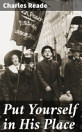
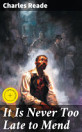
A train ride from Paddington turns into a brilliant comedy of flirtation, vanity, and danger when Captain Dolignan, a handsome cavalry officer, is captivated by the striking Miss Haythorn. What begins as a reckless wager and a series of witty exchanges grows more serious as the pair are drawn into a compromising moment in the darkness of the Box Tunnel, leaving her offended and him unexpectedly fascinated. Forced by a stern major to act honorably, Dolignan pays his debt, keeps silent, and later finds himself obsessed with Miss Haythorn, pursuing a second meeting that turns humiliation into genuine love and ends with her father's approval. Elsewhere, the stories of rural England and criminal intrigue unfold with equal force. After George and Marian's marriage, the action returns to George III's era, where Maythorpe Farm is thrown into unease by death, inheritance, and the arrival of armed highwaymen at Sophie Tarne's door. Calm and resourceful, Sophie confronts the outlaws and becomes intrigued by their grave leader, Guy. In a darker thread, a suspicious cigar-case exposes Raikes as John Dwerrihouse's murderer, revealing deception, theft, and execution. Even Benjamin Quelch, oppressed by his domineering wife, dreams of a felt hat and Paris, only to have a rare holiday tempt him toward long-denied freedom. This edition has been fully restored with modern typesetting, custom cover design.
A train ride from Paddington turns into a brilliant comedy of flirtation, vanity, and danger when Captain Dolignan, a handsome cavalry officer, is captivated by the striking Miss Haythorn. What begins as a reckless wager and a series of witty exchanges grows more serious as the pair are drawn int...

Discover more

About the author

Charles Reade (1814–1884) was an English novelist and dramatist whose career bridged the worlds of law, theater, and social reform. Born in Oxfordshire and educated at Oxford, he first trained for the clergy before turning to law and then to literature, a path that gave him a sharp eye for institutions, injustice, and the absurdities of respectable society. Reade became one of the most energetic and wide-ranging storytellers of the Victorian era, admired for his dramatic plotting, vivid characterizations, and his determination to expose abuses in prisons, asylums, and the treatment of the vulnerable. His fiction often combined sensation, realism, and moral urgency, making him both a popular entertainer and a writer with a reformer's conscience. He was especially skilled at turning social questions into gripping narratives, and his work helped shape the public conversation around fairness, cruelty, and human dignity. Today, Reade remains relevant because his writing asks readers to look closely at power, reputation, and the cost of ignoring suffering, themes that still resonate in modern debates about justice and responsibility. He is significant as a novelist who brought energy and conscience together, leaving a legacy of socially engaged storytelling that rewards readers who enjoy strong plots, sharp observation, and a clear sense that fiction can challenge the world as well as reflect it. Readers who appreciate Victorian literature, moral complexity, and novels with both entertainment and purpose are especially likely to enjoy Charles Reade.

Charles Reade (1814–1884) was an English novelist and dramatist whose career bridged the worlds of law, theater, and social reform. Born in Oxfordshire and educated at Oxford, he first trained for the clergy before turning to law and then to literature, a path that gave him a sharp eye for instit...

Rate this ebook

Tell us what you think.

Reading information

Smartphones and tablets
Install the Google Play Books app for Android and iPad/iPhone. It syncs automatically with your account and allows you to read online or offline wherever you are.
Laptops and computers
You can listen to audiobooks purchased on Google Play using your computer's web browser.
eReaders and other devices
To read on e-ink devices like Kobo eReaders, you'll need to download a file and transfer it to your device. Follow the detailed Help Center instructions to transfer the files to supported eReaders.