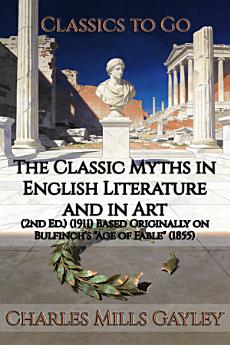
The Classic Myths in English Literature and in Art: Restored Classics to Go Edition
About this ebook
About the author
Charles Mills Gayley was an American scholar, teacher, and literary critic whose career helped shape the study of English and classical literature in the United States during the late nineteenth and early twentieth centuries. Born in 1858, he became deeply involved in academic life as a professor at the University of California, Berkeley, where he influenced generations of students through his energetic teaching, broad humanistic interests, and belief that literature should be studied as a living force in culture rather than as a dry record of the past. Gayley's most important achievement was his ability to bring the classical tradition into conversation with English literature, art, and modern readers, making myth, legend, and literary history accessible to a wide audience. His scholarship was marked by clarity, enthusiasm, and a gift for synthesis, and he is especially remembered for work that gathered and interpreted the enduring stories of antiquity as they reappear across later literature and visual art. At the heart of his writing are themes of cultural continuity, imagination, and the power of inherited stories to illuminate human experience across centuries. Those concerns remain strikingly relevant today, when readers are still drawn to retellings, adaptations, and the shared symbols that connect different eras and traditions. Gayley's legacy lies in his role as a bridge-builder: between classics and modern literature, scholarship and general readers, classroom teaching and public understanding. Readers who enjoy mythology, literary history, cultural connections, and thoughtful guides to the stories behind great works will find him especially rewarding.


