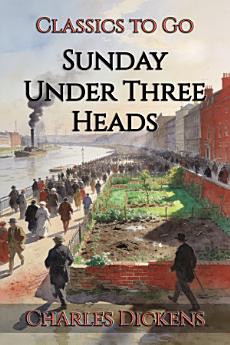
Sunday Under Three Heads: Restored Classics to Go Edition

· Otbebookpublishing
Ebook
45
Pages
Eligible

About this ebook

Timothy Sparks turns Sunday into a battleground of class, conscience, and common sense in this sharp satirical pamphlet addressed to the Bishop of London. Against moralists who condemn working people for seeking harmless pleasure, he argues that the poor's one day of rest is not a threat to religion but a rare chance for dignity, family, fresh air, and a little hard-earned happiness. London on Sunday comes vividly alive: charity children, hungry households awaiting their one meat meal, courting couples, servants slipping away for leisure, and crowds heading by steamer, coach, and foot to Greenwich, Richmond, and Gravesend. Sparks contrasts these orderly outings with the hypocrisy of fashionable piety, from theatrical Sabbath-obsessed preachers to late-service churches filled with the wealthy after the opera. He then mounts a fierce attack on Sabbath legislation, especially Sir Andrew Agnew's proposed bill, exposing its fines, surveillance, and class bias. By showing how it would punish simple tea-garden pleasures, travel, and recreation while sparing elite comforts, he argues that law cannot create true worship and only turns a day of blessing into oppression. This edition has been fully restored with modern typesetting, custom cover design.
Timothy Sparks turns Sunday into a battleground of class, conscience, and common sense in this sharp satirical pamphlet addressed to the Bishop of London. Against moralists who condemn working people for seeking harmless pleasure, he argues that the poor's one day of rest is not a threat to relig...

Discover more

About the author

Charles Dickens was born in 1812 in Portsmouth and rose from a childhood marked by financial hardship and his father's imprisonment for debt to become one of the most beloved and influential writers in the English language. After working as a clerk and a journalist, he found his voice in the bustling world of newspapers and magazines, where his sharp eye for social detail and his gift for vivid storytelling quickly won readers. Over the course of a remarkably productive career, he created unforgettable novels and sketches that exposed poverty, injustice, corruption, and the cruelties hidden beneath polite society, while also celebrating resilience, humor, family feeling, and moral growth. His writing often moved between satire and sentiment, comedy and outrage, giving ordinary people a vivid place at the center of literature. He remains especially important today because his work still speaks powerfully to inequality, child welfare, bureaucracy, and the gap between wealth and need, making him as relevant in the twenty-first century as he was in the nineteenth. Dickens's legacy endures not only in the enduring popularity of his characters and scenes, but in the way he taught readers to look closely at social conditions and to care about the lives of the vulnerable. Readers who enjoy lively prose, memorable characters, social criticism, and stories that combine heart with wit will find him endlessly rewarding.

Charles Dickens was born in 1812 in Portsmouth and rose from a childhood marked by financial hardship and his father's imprisonment for debt to become one of the most beloved and influential writers in the English language. After working as a clerk and a journalist, he found his voice in the bust...

Rate this ebook

Tell us what you think.

Reading information

Smartphones and tablets
Install the Google Play Books app for Android and iPad/iPhone. It syncs automatically with your account and allows you to read online or offline wherever you are.
Laptops and computers
You can listen to audiobooks purchased on Google Play using your computer's web browser.
eReaders and other devices
To read on e-ink devices like Kobo eReaders, you'll need to download a file and transfer it to your device. Follow the detailed Help Center instructions to transfer the files to supported eReaders.