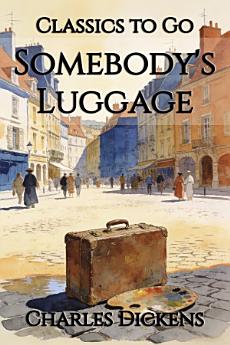
Somebody's Luggage: Restored Classics to Go Edition
About this ebook
Discover more
About the author
Charles Dickens was born in 1812 in Portsmouth and rose from a childhood shadowed by family hardship, factory labor, and financial insecurity to become one of the most celebrated writers in the English language. Largely self-educated and deeply observant of the city life around him, he began as a journalist and sketch writer before turning to fiction, where his vivid characters, dramatic storytelling, and sharp social conscience quickly won him a vast readership. Over the course of his career, he produced a remarkable body of work that helped define the Victorian novel, blending humor, suspense, sentiment, and moral urgency in ways that still feel immediate today. He wrote with particular force about poverty, inequality, child neglect, legal injustice, and the gap between public respectability and private suffering, themes that remain painfully relevant in the modern world. His stories often expose the human cost of institutions that fail the vulnerable, while also insisting on resilience, compassion, and the possibility of change. Dickens's legacy endures not only in literature but in our cultural vocabulary, our sense of social critique, and our expectations of what fiction can do: entertain, move, and awaken conscience at once. Readers who enjoy rich characterization, atmospheric settings, memorable wit, and stories that combine heart with social insight will find him endlessly rewarding.