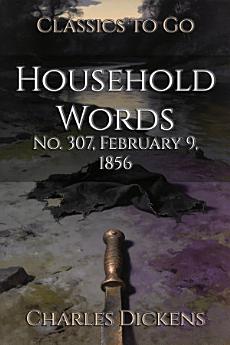
Household Words: Restored Classics to Go Edition
About this ebook
Discover more
About the author
Charles Dickens, born in 1812 in Portsmouth and shaped by a childhood marked by financial hardship, rose from precarious beginnings to become one of the most beloved and influential novelists in the English language. His early experience of poverty and social insecurity left a lasting imprint on his imagination, fueling a career devoted to exposing injustice, celebrating resilience, and giving vivid life to the streets, institutions, and families of Victorian England. Over the course of his career, he wrote with extraordinary energy as a novelist, journalist, and public reader, creating a body of work admired for its memorable characters, sharp social observation, humor, pathos, and narrative momentum. He was especially powerful in portraying the struggles of the poor, the cruelty of institutions, the failings of greed and vanity, and the hope that compassion and moral courage can offer. His writing remains deeply relevant today because it speaks to inequality, child welfare, bureaucracy, and the human cost of indifference, concerns that still shape modern life. Dickens's legacy endures not only in literature but in the way we think about social responsibility and the moral force of storytelling. Readers who enjoy richly drawn characters, vivid period atmosphere, emotional depth, and fiction with a strong conscience will find him especially rewarding.