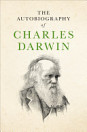
The Autobiography of Charles Darwin: Restored Classics to Go Edition
About this ebook
Discover more
About the author
Charles Darwin, born in 1809 in Shrewsbury, England, was a naturalist whose careful observations and restless curiosity changed the way humanity understands life on Earth. After studying medicine and theology, he found his true calling in the natural sciences, and the voyage of the Beagle gave him the experience and evidence that would shape his thinking for decades. Through meticulous research, wide-ranging correspondence, and a gift for connecting scattered facts into a larger pattern, he developed ideas that transformed biology and challenged long-held assumptions about nature, species, and human origins. His writing is marked by patience, humility, and a deep respect for evidence, and his most enduring contributions explore change over time, adaptation, inheritance, and the intricate relationship between living things and their environments. These themes remain powerfully relevant today as readers continue to grapple with questions about biodiversity, climate change, genetics, and humanity's place in the natural world. Darwin's legacy lies not only in scientific theory but also in his model of rigorous inquiry: he showed that careful attention, open-mindedness, and willingness to revise one's beliefs can lead to profound insight. His life and reflections continue to speak to anyone interested in science, history, and the drama of intellectual discovery, especially readers who enjoy thoughtful, reflective accounts of how big ideas are formed.