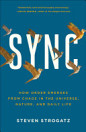
Cell Death Part D

· · ·
· Methods in Cell Biology Libro 209 · Academic Press
Ebook
318
pagine
Idoneo

Informazioni su questo ebook

Cell Death, Part D, Volume 209 explores the latest advances in the mechanisms, regulation, and significance of cell death in health and disease. Covering diverse topics such as apoptosis, necrosis, autophagy, and emerging pathways, this volume presents chapters on Utilizing FLAMBE to study the structure-function relationship and regulation of monomeric BAX activation in solution, Sensitive detection of Lysosomal Membrane Permeabilization using the Galectin Puncta Assay, Assessing the activity of caspase-activated pannexin-1 channels by flow cytometry, In vitro culture of intestinal organoids for cell death assessments, Optimized Strategies for Necroptosis Induction and Evaluation, and more.Additional sections cover Ferroptosis induction via genetic approaches - CRISPR/Cas9-based disruption on key anti-ferroptotic genes, Reprogramming T cell fate through antibody-mediated galectin-1 blockade, 3D bioluminescence imaging assays for measuring in vitro CAR T cell cytotoxicity, The heat-ramp method to study regulated cell death in the pathogenic yeast Cryptococcus neoformans, High throughput assessment of cellular viability, and High-Throughput Screening for Cell Death Inducers and Inhibitors. This book will serve as a valuable resource for researchers, clinicians, and students interested in understanding cellular processes and their implications for therapy and diagnostics. - Includes comprehensive coverage of the latest research and advances in cell death mechanisms - Provides in-depth discussions on apoptosis, necrosis, autophagy, and other programmed cell death pathways - Contains contributions from leading experts in cellular biology and molecular medicine
Cell Death, Part D, Volume 209 explores the latest advances in the mechanisms, regulation, and significance of cell death in health and disease. Covering diverse topics such as apoptosis, necrosis, autophagy, and emerging pathways, this volume presents chapters on Utilizing FLAMBE to study the st...

Scopri di più

Informazioni sull'autore

Lorenzo Galluzzi is Assistant Professor of Cell Biology in Radiation Oncology at the Department of Radiation Oncology of the Weill Cornell Medical College, Honorary Assistant Professor Adjunct with the Department of Dermatology of the Yale School of Medicine, Honorary Associate Professor with the Faculty of Medicine of the University of Paris, and Faculty Member with the Graduate School of Biomedical Sciences and Biotechnology of the University of Ferrara, the Graduate School of Pharmacological Sciences of the University of Padova, and the Graduate School of Network Oncology and Precision Medicine of the University of Rome “La Sapienza. Moreover, he is Associate Director of the European Academy for Tumor Immunology and Founding Member of the European Research Institute for Integrated Cellular Pathology.Galluzzi is best known for major experimental and conceptual contributions to the fields of cell death, autophagy, tumor metabolism and tumor immunology. He has published over 450 articles in international peer-reviewed journals and is the Editor-in-Chief of four journals:OncoImmunology (which he co-founded in 2011), International Review of Cell and Molecular Biology, Methods in Cell biology, and Molecular and Cellular Oncology (which he co-founded in 2013). Additionally, he serves as Founding Editor for Microbial Cell and Cell Stress, and Associate Editor for Cell Death and Disease, Pharmacological Research and iScience.
Lorenzo Galluzzi is Assistant Professor of Cell Biology in Radiation Oncology at the Department of Radiation Oncology of the Weill Cornell Medical College, Honorary Assistant Professor Adjunct with the Department of Dermatology of the Yale School of Medicine, Honorary Associate Professor with the...

Valuta questo ebook

Dicci cosa ne pensi.

Informazioni sulla lettura

Smartphone e tablet
Installa l'app Google Play Libri per Android e iPad/iPhone. L'app verrà sincronizzata automaticamente con il tuo account e potrai leggere libri online oppure offline ovunque tu sia.
Laptop e computer
Puoi ascoltare gli audiolibri acquistati su Google Play usando il browser web del tuo computer.
eReader e altri dispositivi
Per leggere su dispositivi e-ink come Kobo e eReader, dovrai scaricare un file e trasferirlo sul dispositivo. Segui le istruzioni dettagliate del Centro assistenza per trasferire i file sugli eReader supportati.