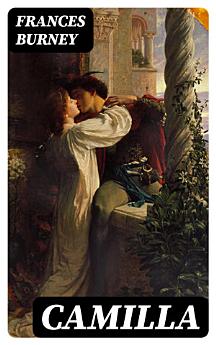
Camilla
Frances Burney
nov 2022 · DigiCat
Libro electrónico
1148
Páginas
family_home
Apto
info
Acerca de este libro electrónico
Frances Burney's "Camilla" is a rich tapestry of social commentary and character exploration set against the backdrop of late 18th-century England. Written in Burney's signature epistolary style and detailed prose, the narrative follows the fortunes of the spirited protagonist, Camilla Tyrold, as she navigates the labyrinth of love, societal expectations, and moral dilemmas. The novel deftly critiques the constraints of gender roles and the complexities of personal identity, blending elements of romance and satire that illuminate the period's cultural values. Frances Burney, a pioneering figure in the evolution of the novel, drew from her own experiences and keen observations of society to pen "Camilla," published in 1796. Her previous works, including "Evelina" and "Cecilia," showcase her ability to weave intricate plots and multidimensional characters, influencing contemporaries such as Jane Austen. Burney's insights into women's lives are particularly salient, reflecting her own challenges within a male-dominated literary landscape. "Camilla" is a captivating exploration of the human experience that continues to resonate with readers today. Those interested in early feminist literature, social dynamics, and the intricacies of human relationships will find this novel a profound and enlightening read, solidifying Burney's legacy as a critical voice in the literary canon.
Frances Burney's "Camilla" is a rich tapestry of social commentary and character exploration set against the backdrop of late 18th-century England. Written in Burney's signature epistolary style and detailed prose, the narrative follows the fortunes of the spirited protagonist, Camilla Tyrold, as...
Descubrir más
Acerca del autor
Frances Burney (1752–1840), also known as Fanny Burney and after her marriage as Madame d'Arblay, was an English satirical novelist, diarist, and playwright, who is best recognized for her novels which explore the lives of English aristocrats and the issues faced by women in the 18th century. Her literary style married wit with social critique, most notably in her novel 'Camilla' (Burney, 1796), which keenly depicts the trials and tribulations of growing up and the societal pressures that shape women's lives and choices. 'Camilla' not only offers an elaborate commentary on morality and the nuances of matrimonial pursuits but also delivers a rich and detailed account of contemporary manners, making it an insightful study of the period. Burney's first novel, 'Evelina' (Burney, 1778), brought her immediate fame with its innovative epistolary form and fresh female perspective. In her later works, Burney continued to use her sharp observational skills and incisive humor to portray the subtleties of social conduct and the complexities of human relationships. As a woman writer in the eighteenth century, Frances Burney triumphed over the period's gender norms to secure a place in the canon of English literature. Her works have inspired scholars and writers alike, resonating well into the 19th and 20th centuries, influencing authors such as Jane Austen with her blend of social commentary, nuanced characterization, and engaging storytelling.
Frances Burney (1752–1840), also known as Fanny Burney and after her marriage as Madame d'Arblay, was an English satirical novelist, diarist, and playwright, who is best recognized for her novels which explore the lives of English aristocrats and the issues faced by women in the 18th century. Her...
Califica este libro electrónico
Cuéntanos lo que piensas.
Información de lectura
Smartphones y tablets
Instala la app de Google Play Libros para Android y iPad/iPhone. Como se sincroniza de manera automática con tu cuenta, te permite leer en línea o sin conexión en cualquier lugar.
Laptops y computadoras
Para escuchar audiolibros adquiridos en Google Play, usa el navegador web de tu computadora.
Lectores electrónicos y otros dispositivos
Para leer en dispositivos de tinta electrónica, como los lectores de libros electrónicos Kobo, deberás descargar un archivo y transferirlo a tu dispositivo. Sigue las instrucciones detalladas que aparecen en el Centro de ayuda para transferir los archivos a lectores de libros electrónicos compatibles.