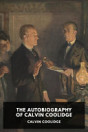
The Autobiography Of Calvin Coolidge: Restored Classics to Go Edition
About this ebook
Discover more
About the author
Calvin Coolidge, the 30th president of the United States, came to public life from the quiet, rural world of Vermont, and that sense of restraint, discipline, and plainspoken integrity shaped both his political career and his writing. Rising from local office to the governorship of Massachusetts and then to the White House, he became known as a man of few words and firm convictions, guiding the nation through a period of prosperity and change in the 1920s. As a writer, he is remembered for his clear, concise prose and for reflecting on public service, personal responsibility, and the value of steady government rather than dramatic intervention. His work often centers on themes of thrift, self-reliance, civic duty, and the moral importance of character, ideas that still resonate in an age often marked by noise, polarization, and rapid change. Coolidge's legacy lies not only in the office he held but in the example he offers of measured leadership and thoughtful restraint, and his writing remains a useful window into a distinctly American vision of citizenship and public life. Readers interested in presidential history, political memoir, and the enduring appeal of simplicity and discipline will find his work especially rewarding.