About this ebook
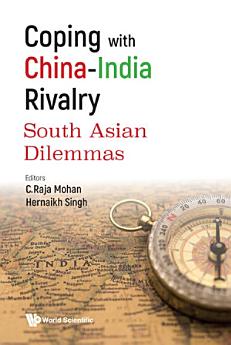
Meanwhile, India has emerged, albeit at a slower pace than China, as a major power over the last two decades. Like Beijing, New Delhi's geopolitical aspirations too have steadily risen during that period. This has set the stage for growing strategic friction between the India and China. The friction has enveloped many regional and global domains, but its greatest expression has been in the shared South Asian neighbourhood. India is determined to sustain its traditional primacy in the region and China is determined to consolidate its growing influence in South Asia. The sharpening friction has also begun to intersect with the growing great power tensions, especially between the United States and China. Many elements of these new dynamic have drawn academic engagement, in particular from the major power perspectives. However, the voices of the smaller South Asian nations have not been sufficiently heard or analysed. This volume seeks to address that major gap in the current discourse on the Indian subcontinent and its changing role in great power politics.
This volume brings multiple regional voices to assess how the various South Asian nations are dealing with the growing rivalry between India and China. Many of the chapters in this volume were initially published as shorter essays by the Institute of South Asian Studies in its South Asia Discussion Papers series in 2020. Those essays have been updated and expanded in this volume. Additional contributions have also been commissioned to enrich the special perspectives that this volume presents.