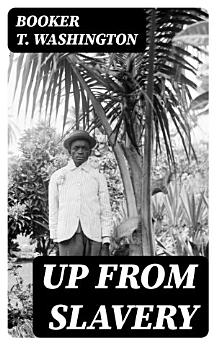
Up From Slavery: Autobiography
Nov 2022 · DigiCat
Ebook
179
Pages
family_home
Eligible
info
About this ebook
In "Up From Slavery," Booker T. Washington presents a compelling autobiographical narrative that charts his life from the shackles of slavery to the heights of educational advocacy and leadership. Through a straightforward yet poignant literary style, Washington blends personal anecdotes with broader socio-political commentary, reflecting the complexities of race relations in post-Civil War America. This work is not merely a memoir; it serves as a powerful examination of the African American experience during the late 19th century, engaging deeply with themes of self-improvement, education, and the struggle for civil rights. Booker T. Washington was born into slavery in Virginia in 1856, and his journey toward education and self-empowerment profoundly shaped his philosophies on race and progress. As the founder of the Tuskegee Institute, he became a prominent voice for African Americans, promoting vocational training as a pathway to economic stability and racial uplift. Washington's experiences navigating a racially divided society informed his moderate approach, making this book a critical historical document that contextualizes his influence during a pivotal era in American history. "Up From Slavery" is an essential read for anyone interested in African American literature, history, and the enduring struggle for equality. Washington's insights into perseverance, resilience, and the transformative power of education resonate to this day, making his story both timely and timeless. Readers will find inspiration in his journey and invaluable perspectives that contribute to the ongoing dialogue about race and justice in America.
In "Up From Slavery," Booker T. Washington presents a compelling autobiographical narrative that charts his life from the shackles of slavery to the heights of educational advocacy and leadership. Through a straightforward yet poignant literary style, Washington blends personal anecdotes with bro...
Discover more
About the author
Booker T. Washington (1856–1915) stands as a seminal figure in African American history, his life journey emblematic of the American dream surmounted through sheer resolve and intellectual acumen. Washington emerged from the shadows of slavery, having been born into bondage in Virginia, and through determination, he rose to become a leading educator, orator, and advisor to several U.S. presidents. His autobiography, 'Up From Slavery' (1901), remains a staple in American literary canon, providing not only a candid view of the African American life post-Emancipation but also a blueprint of Washington's philosophy on self-help and self-reliance as means to advance the race within the post-Reconstruction era. Washington's advocacy for vocational education led to the establishment of the Tuskegee Institute in Alabama, a beacon of practical learning and empowerment for African Americans during a time of pervasive segregation and disenfranchisement. His written works reflect his often controversial accommodationist approach, advocating for economic progress over immediate civil rights gains. A masterful rhetorician, his 'Atlanta Compromise' speech delineated his stance on social separation but economic integration, a view that later faced criticism from other African American leaders. Despite the debates over his legacy, Washington's influence within the pantheon of African American leadership and literature is undisputed, and his contributions continue to precipitate discussions on racial advancement and education.
Booker T. Washington (1856–1915) stands as a seminal figure in African American history, his life journey emblematic of the American dream surmounted through sheer resolve and intellectual acumen. Washington emerged from the shadows of slavery, having been born into bondage in Virginia, and throu...
Rate this ebook
Tell us what you think.
Reading information
Smartphones and tablets
Install the Google Play Books app for Android and iPad/iPhone. It syncs automatically with your account and allows you to read online or offline wherever you are.
Laptops and computers
You can listen to audiobooks purchased on Google Play using your computer's web browser.
eReaders and other devices
To read on e-ink devices like Kobo eReaders, you'll need to download a file and transfer it to your device. Follow the detailed Help Center instructions to transfer the files to supported eReaders.