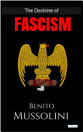
My Autobiography: Restored Classics to Go Edition
About this ebook
Discover more
About the author
Benito Mussolini was an Italian political leader, journalist, and propagandist whose rise from provincial socialist activist to dictator made him one of the most consequential and controversial figures of the twentieth century. Born in 1883 in Romagna, he began his public life as a teacher, writer, and editor before breaking with socialism and building a new political movement around nationalism, violence, and spectacle. As head of the Fascist regime, he reshaped Italy's politics, press, education, and public image, and his self-presentation as a decisive modernizer helped define the authoritarian style of the era. His writings and speeches, including his autobiographical self-portrait, are significant less as models of literary artistry than as documents of political mythmaking, revealing how power can be narrated, justified, and sold to the public. The central themes surrounding his life and work include ambition, mass persuasion, dictatorship, nationalism, and the dangerous allure of strongman rule, all of which remain urgently relevant in an age still grappling with propaganda, political extremism, and the fragility of democracy. Mussolini's legacy endures as a warning as much as a historical subject: readers encounter in him a vivid example of how charisma and rhetoric can mask repression and catastrophe. He will especially interest readers drawn to modern history, political biography, authoritarianism, and the study of how leaders shape their own legend.