Podrobnosti o e‑knize
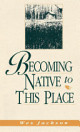
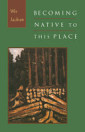
" The New World—this empty land dazzlingly rich in forests, soils, rainfall, and mineral wealth—was to represent a new beginning for civilized humanity. Unfortunately, even the best of the European settlers had a stronger eye for conquest than for justice. Natives were in the way—surplus people who must be literally displaced. Now, as ecologist West Jackson points out, descendants of those early beneficiaries of conquest find themselves the displaced persons, forced to vacate the family farmsteads and small towns of our heartland, leaving vacant the schools, churches, hardware stores, and barber shops. In a ringing cry for a changed relation to the land, Jackson urges modern Americans to become truly native to this place—to base our culture and agriculture on nature's principles, to recycle as natural ecosystems have for millions of years. The task is more difficult now, he argues, because so much cultural information has been lost and because the ecological capital necessary to grow food in a sustainable way has been seriously eroded. Where to begin? Jackson suggests we start with those thousands of small towns and rural communities literally falling down or apart. We have no money to pay for the process and little cultural awareness to support it, but here are the places where a new generation of homecomers—people who want to go to a place and dig in—can become the new pioneers, operating on a set of assumptions and aspirations different from those of their ancestors. These new pioneers will have to "set up the books" for ecological community accounting. If they dig deep enough and long enough, urges Jackson, a new kind of economy will emerge. So will a rich culture with its own art and artifacts.
" The New World—this empty land dazzlingly rich in forests, soils, rainfall, and mineral wealth—was to represent a new beginning for civilized humanity. Unfortunately, even the best of the European settlers had a stronger eye for conquest than for justice. Natives were in the way—surplus people w...
Zjistit více
O autorovi
Wes Jackson, president of the Land Institute and former professor at Kansas Wesleyan and California State universities, is the author of several books, including Rooted in the Land: Essays on Community and Place, Becoming Native to this Place, and Altars of an Unhewn Stone. He lives in Salina, Kansas.
Wes Jackson, president of the Land Institute and former professor at Kansas Wesleyan and California State universities, is the author of several books, including Rooted in the Land: Essays on Community and Place, Becoming Native to this Place, and Altars of an Unhewn Stone. He lives in Salina, Ka...
Ohodnotit e‑knihu
Sdělte nám, co si myslíte.
Informace o čtení
Telefony a tablety
Nainstalujte si aplikaci Knihy Google Play pro Android a iPad/iPhone. Aplikace se automaticky synchronizuje s vaším účtem a umožní vám číst v režimu online nebo offline, ať jste kdekoliv.
Notebooky a počítače
Audioknihy zakoupené na Google Play můžete poslouchat pomocí webového prohlížeče v počítači.
Čtečky a další zařízení
Pokud chcete číst knihy ve čtečkách elektronických knih, jako např. Kobo, je třeba soubor stáhnout a přenést do zařízení. Při přenášení souborů do podporovaných čteček elektronických knih postupujte podle podrobných pokynů v centru nápovědy.