Bark

┬╖ MIT Press
рмЗрммрнБрмХрнН
136
рмкрнГрм╖рнНрмарм╛рмЧрнБрнЬрм┐рмХ
рмЙрмкрмХрм░рмгрмЧрнБрмбрм┐рмХ
рмпрнЛрмЧрнНрнЯ

рмПрм╣рм┐ рмЗрммрнБрмХрнН рммрм┐рм╖рнЯрм░рнЗ

A noted French thinker's poignant reflections, in words and photographs, on his visit to Auschwitz-Birkenau.

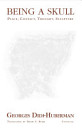
On a visit to Auschwitz-Birkenau, Georges Didi-Huberman tears three pieces of bark from birch trees on the edge of the site. Looking at these pieces after his return home, he sees them as letters, a flood, a path, time, memory, flesh. The bark serves as a springboard to Didi-Huberman's meditations on his visit, recorded in this spare, poetic, and powerful book. Bark is a personal account, drawing not on the theoretical apparatus of scholarship but on Didi-Huberman's own history, memory, and knowledge.

The text proceeds as a series of reflections, accompanied by Didi-Huberman's photographs of the visit. The photographs are not meant to be artтАФDidi-Huberman confesses that he тАЬphotographed practically everything without lookingтАЭтАФbut approach it nevertheless. Didi-Huberman tells us that his grandparents died at Auschwitz, but his account is more universal than biographical. As he walks from place to place, he observes that in German birches are birken; Birkenau designates the meadow where the birches grow. Didi-Huberman sees and photographs the тАЬreconstructedтАЭ execution wall; the floors of the crematorium, forgotten witnesses to killing; and the birch trees, lovely but also resembling prison bars. Taking his own photographs, he thinks of the famous photographs taken in 1944 by a member of the Sonderkommando, the only photographic documentation of the camp before the Germans destroyed it, hoping to hide the evidence of their crimes. Didi-Huberman notices a тАЬbizarre proliferation of white flowers on the exact spot of the cremation pits.тАЭ The dead are not departed.

A noted French thinker's poignant reflections, in words and photographs, on his visit to Auschwitz-Birkenau. On a visit to Auschwitz-Birkenau, Georges Didi-Huberman tears three pieces of bark from birch trees on the edge of the site. Looking at these pieces after his return home, he sees them as ...

рмЕрмзрм┐рмХ рмбрм┐рм╕рнНрмХрмнрм░ рмХрм░рмирнНрмдрнБ

рм▓рнЗрмЦрмХрмЩрнНрмХ рммрм┐рм╖рнЯрм░рнЗ

Georges Didi-Huberman, a philosopher and art historian based in Paris, teaches at the ├Йcole des Hautes ├Йtudes en Sciences Sociales. Recipient of the 2015 Adorno Prize, he is the author of more than fifty books on the history and theory of images, including Invention of Hysteria: Charcot and the Photographic Iconography of the Salp├кtri├иre (MIT Press), Bark (MIT Press), Images in Spite of All: Four Photographs from Auschwitz, and The Surviving Image: Phantoms of Time and Time of Phantoms: Aby Warburg's History of Art.

Samuel E. Martin teaches French at the University of Pennsylvania
Georges Didi-Huberman, a philosopher and art historian based in Paris, teaches at the ├Йcole des Hautes ├Йtudes en Sciences Sociales. Recipient of the 2015 Adorno Prize, he is the author of more than fifty books on the history and theory of images, including Invention of Hysteria: Charcot and the P...

рмПрм╣рм┐ рмЗрммрнБрмХрнНтАНрмХрнБ рморнВрм▓рнНрнЯрм╛рмЩрнНрмХрми рмХрм░рмирнНрмдрнБ

рмЖрмкрмг рмХрмг рмнрм╛рммрнБрмЫрмирнНрмдрм┐ рмдрм╛рм╣рм╛ рмЖрмормХрнБ рмЬрмгрм╛рмирнНрмдрнБред

рмкрнЭрм┐рммрм╛ рмкрм╛рмЗрмБ рмдрмернНрнЯ

рм╕рнНрморм╛рм░рнНрмЯрмлрнЛрми рмУ рмЯрм╛рммрм▓рнЗрмЯ
Google Play Books рмЖрмкрнНрмХрнБ, Android рмУ iPad/iPhone рмкрм╛рмЗрмБ рмЗрмирм╖рнНрмЯрм▓рнН рмХрм░рмирнНрмдрнБред рмПрм╣рм╛ рм╕рнНрм╡рмЪрм╛рм│рм┐рмд рмнрм╛рммрнЗ рмЖрмкрмгрмЩрнНрмХ рмЖрмХрм╛рмЙрмгрнНрмЯрм░рнЗ рм╕рм┐рмЩрнНрмХ рм╣рнЛтАНрмЗрмпрм┐рмм рмПрммрмВ рмЖрмкрмг рмпрнЗрмЙрмБрмарм┐ рмерм╛рмЖрмирнНрмдрнБ рмирм╛ рмХрм╛рм╣рм┐рмБрмХрм┐ рмЖрмирм▓рм╛рмЗрмирнН рмХрм┐рморнНрммрм╛ рмЕрмлрм▓рм╛рмЗрмирнНтАНрм░рнЗ рмкрнЭрм┐рммрм╛ рмкрм╛рмЗрмБ рмЕрмирнБрмормдрм┐ рмжрнЗрммред
рм▓рм╛рмкрмЯрмк рмУ рмХрморнНрмкрнНрнЯрнБрмЯрм░
рмирм┐рмЬрм░ рмХрморнНрмкрнНрнЯрнБрмЯрм░рнНтАНрм░рнЗ рмерм┐рммрм╛ рн▒рнЗрммрнН рммрнНрм░рм╛рмЙрмЬрм░рнНтАНрмХрнБ рммрнНрнЯрммрм╣рм╛рм░ рмХрм░рм┐ Google Playрм░рнБ рмХрм┐рмгрм┐рмерм┐рммрм╛ рмЕрмбрм┐рмУрммрнБрмХрнНтАНрмХрнБ рмЖрмкрмг рм╢рнБрмгрм┐рмкрм╛рм░рм┐рммрнЗред
рмЗ-рм░рм┐рмбрм░рнН рмУ рмЕрмирнНрнЯ рмбрм┐рмнрм╛рмЗрм╕рнНтАНрмЧрнБрнЬрм┐рмХ
Kobo eReaders рмкрм░рм┐ e-ink рмбрм┐рмнрм╛рмЗрм╕рмЧрнБрмбрм╝рм┐рмХрм░рнЗ рмкрмврм╝рм┐рммрм╛ рмкрм╛рмЗрмБ, рмЖрмкрмгрмЩрнНрмХрнБ рмПрмХ рмлрм╛рмЗрм▓ рмбрм╛рмЙрмирм▓рнЛрмб рмХрм░рм┐ рмПрм╣рм╛рмХрнБ рмЖрмкрмгрмЩрнНрмХ рмбрм┐рмнрм╛рмЗрм╕рмХрнБ рмЯрнНрм░рм╛рмирнНрм╕рмлрм░ рмХрм░рм┐рммрм╛рмХрнБ рм╣рнЗрммред рм╕рморм░рнНрмерм┐рмд eReadersрмХрнБ рмлрм╛рмЗрм▓рмЧрнБрмбрм╝рм┐рмХ рмЯрнНрм░рм╛рмирнНрм╕рмлрм░ рмХрм░рм┐рммрм╛ рмкрм╛рмЗрмБ рм╕рм╣рм╛рнЯрмдрм╛ рмХрнЗрмирнНрмжрнНрм░рм░рнЗ рмерм┐рммрм╛ рм╕рммрм┐рм╢рнЗрм╖ рмирм┐рм░рнНрмжрнНрмжрнЗрм╢рм╛рммрм│рнАрмХрнБ рмЕрмирнБрм╕рм░рмг рмХрм░рмирнНрмдрнБред