Bark

┬╖ MIT Press
рдИ-рдкреБрд╕реНрддрдХ
136
рдкреЗрдЬ
рд╕рд╛рдзрдиреЗ
рдкрд╛рддреНрд░

рдпрд╛ рдИ-рдкреБрд╕реНрддрдХрд╛рд╡рд┐рд╖рдпреА

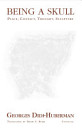
A noted French thinker's poignant reflections, in words and photographs, on his visit to Auschwitz-Birkenau.

On a visit to Auschwitz-Birkenau, Georges Didi-Huberman tears three pieces of bark from birch trees on the edge of the site. Looking at these pieces after his return home, he sees them as letters, a flood, a path, time, memory, flesh. The bark serves as a springboard to Didi-Huberman's meditations on his visit, recorded in this spare, poetic, and powerful book. Bark is a personal account, drawing not on the theoretical apparatus of scholarship but on Didi-Huberman's own history, memory, and knowledge.

The text proceeds as a series of reflections, accompanied by Didi-Huberman's photographs of the visit. The photographs are not meant to be artтАФDidi-Huberman confesses that he тАЬphotographed practically everything without lookingтАЭтАФbut approach it nevertheless. Didi-Huberman tells us that his grandparents died at Auschwitz, but his account is more universal than biographical. As he walks from place to place, he observes that in German birches are birken; Birkenau designates the meadow where the birches grow. Didi-Huberman sees and photographs the тАЬreconstructedтАЭ execution wall; the floors of the crematorium, forgotten witnesses to killing; and the birch trees, lovely but also resembling prison bars. Taking his own photographs, he thinks of the famous photographs taken in 1944 by a member of the Sonderkommando, the only photographic documentation of the camp before the Germans destroyed it, hoping to hide the evidence of their crimes. Didi-Huberman notices a тАЬbizarre proliferation of white flowers on the exact spot of the cremation pits.тАЭ The dead are not departed.

A noted French thinker's poignant reflections, in words and photographs, on his visit to Auschwitz-Birkenau. On a visit to Auschwitz-Birkenau, Georges Didi-Huberman tears three pieces of bark from birch trees on the edge of the site. Looking at these pieces after his return home, he sees them as ...

рдЖрдгрдЦреА рдбрд┐рд╕реНрдХрд╡реНрд╣рд░ рдХрд░рд╛

рд▓реЗрдЦрдХрд╛рд╡рд┐рд╖рдпреА

Georges Didi-Huberman, a philosopher and art historian based in Paris, teaches at the ├Йcole des Hautes ├Йtudes en Sciences Sociales. Recipient of the 2015 Adorno Prize, he is the author of more than fifty books on the history and theory of images, including Invention of Hysteria: Charcot and the Photographic Iconography of the Salp├кtri├иre (MIT Press), Bark (MIT Press), Images in Spite of All: Four Photographs from Auschwitz, and The Surviving Image: Phantoms of Time and Time of Phantoms: Aby Warburg's History of Art.

Samuel E. Martin teaches French at the University of Pennsylvania
Georges Didi-Huberman, a philosopher and art historian based in Paris, teaches at the ├Йcole des Hautes ├Йtudes en Sciences Sociales. Recipient of the 2015 Adorno Prize, he is the author of more than fifty books on the history and theory of images, including Invention of Hysteria: Charcot and the P...

рдпрд╛ рдИ-рдкреБрд╕реНрддрдХрд▓рд╛ рд░реЗрдЯрд┐рдВрдЧ рджреНрдпрд╛

рддреБрдореНрд╣рд╛рд▓рд╛ рдХрд╛рдп рд╡рд╛рдЯрддреЗ рддреЗ рдЖрдореНрд╣рд╛рд▓рд╛ рд╕рд╛рдВрдЧрд╛.

рд╡рд╛рдЪрди рдорд╛рд╣рд┐рддреА

рд╕реНрдорд╛рд░реНрдЯрдлреЛрди рдЖрдгрд┐ рдЯреЕрдмрд▓реЗрдЯ
Android рдЖрдгрд┐ iPad/iPhone рд╕рд╛рдареА Google Play рдмреБрдХ рдЕтАНреЕрдк рдЗрдВрд╕реНтАНрдЯреЙрд▓ рдХрд░рд╛. рд╣реЗ рддреБрдордЪреНтАНрдпрд╛ рдЦрд╛рддреНтАНрдпрд╛рдиреЗ рдЖрдкреЛрдЖрдк рд╕рд┐рдВрдХ рд╣реЛрддреЗ рдЖрдгрд┐ рддреБрдореНтАНрд╣реА рдЬреЗрдереЗ рдХреБрдареЗ рдЕрд╕рд╛рд▓ рддреЗрдереВрди рддреБрдореНтАНрд╣рд╛рд▓рд╛ рдСрдирд▓рд╛рдЗрди рдХрд┐рдВрд╡рд╛ рдСрдлрд▓рд╛рдЗрди рд╡рд╛рдЪрдгреНтАНрдпрд╛рдЪреА рдЕрдиреБрдорддреА рджреЗрддреЗ.
рд▓реЕрдкрдЯреЙрдк рдЖрдгрд┐ рдХреЙрдВрдкреНрдпреБрдЯрд░
рддреБрдореНрд╣реА рддреБрдордЪреНрдпрд╛ рдХрд╛рдБрдкреНрдпреБрдЯрд░рдЪрд╛ рд╡реЗрдм рдмреНрд░рд╛рдЙрдЭрд░ рд╡рд╛рдкрд░реВрди Google Play рд╡рд░ рдЦрд░реЗрджреА рдХреЗрд▓реЗрд▓реА рдСрдбрд┐рдУрдмреБрдХ рдРрдХреВ рд╢рдХрддрд╛.
рдИрд╡рд╛рдЪрдХ рдЖрдгрд┐ рдЗрддрд░ рдбрд┐рд╡реНрд╣рд╛рдЗрд╕реЗрд╕
Kobo eReaders рд╕рд╛рд░рдЦреНрдпрд╛ рдИ-рдЗрдВрдХ рдбрд┐рд╡реНтАНрд╣рд╛рдЗрд╕рд╡рд░ рд╡рд╛рдЪрдгреНтАНрдпрд╛рд╕рд╛рдареА, рддреБрдореНрд╣реА рдПрдЦрд╛рджреА рдлрд╛рдЗрд▓ рдбрд╛рдЙрдирд▓реЛрдб рдХрд░реВрди рддреА рддреБрдордЪреНтАНрдпрд╛ рдбрд┐рд╡реНтАНрд╣рд╛рдЗрд╕рд╡рд░ рдЯреНрд░рд╛рдиреНрд╕рдлрд░ рдХрд░рдгреЗ рдЖрд╡рд╢реНрдпрдХ рдЖрд╣реЗ. рд╕рдкреЛрд░реНрдЯ рдЕрд╕рд▓реЗрд▓реНрдпрд╛ eReaders рд╡рд░ рдлрд╛рдЗрд▓ рдЯреНрд░рд╛рдиреНрд╕рдлрд░ рдХрд░рдгреНрдпрд╛рд╕рд╛рдареА, рдорджрдд рдХреЗрдВрджреНрд░ рдордзреАрд▓ рддрдкрд╢реАрд▓рд╡рд╛рд░ рд╕реВрдЪрдирд╛ рдлреЙрд▓реЛ рдХрд░рд╛.