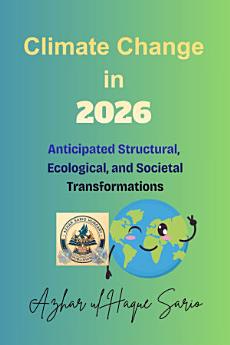
Climate Change in 2026: Anticipated Structural, Ecological, and Societal Transformations
About this ebook
So, why is this specific lesson plan better than what you usually find on the syllabus? Most reading materials look at the environment in total isolation, completely missing the bigger picture. The unique competitive advantage of this text is how it connects raw ecological data directly to your daily life and the global economy. It does not just say the planet is warm; it explains exactly how that heat destroys labor productivity and creates massive national debt. Other resources treat a drought, a viral outbreak, and an economic crash as separate chapters, but this book shows you how they combine into one giant, overwhelming crisis. It bridges the massive gap between high-level diplomatic promises and the real-world financial realities on the ground. You will learn about cutting-edge adaptations like weather-based insurance policies and virtual city replicas. By stepping away from simple ecology and diving into systemic global resilience, this guide gives you the actionable, integrated knowledge that standard textbooks completely fail to deliver.
Beyond the challenges, we also dive into fascinating technological shifts that offer real, practical hope. We explore modern agricultural innovations where specialized solar panels protect delicate crops from intense heat while simultaneously generating clean power for the community. We look at how advanced space sensors and highly secure digital ledgers are used to track carbon removal accurately and transparently. The author, an experienced data scientist and business professional, breaks down these complex global fractures into clear, engaging lessons without relying on confusing jargon. You will walk away with a profound understanding of how international trade, public health, and environmental stability are inextricably linked.
Copyright disclaimer: This author has no affiliation with the board, and it is independently produced under nominative fair use.