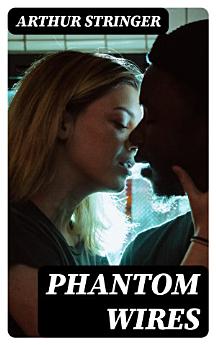
Phantom Wires: A Novel
Arthur Stringer
Sep 2022 · DigiCat
Ebook
159
Pages
family_home
Eligible
info
About this ebook
In "Phantom Wires," Arthur Stringer weaves a compelling narrative set against the backdrop of early 20th-century technological advancements and growing urban anxieties. The story revolves around the intricate interplay between communication, human connection, and psychological depth, revealing the transformative impact of the emerging wireless technologies on individuals' lives. Stringer employs a distinctive literary style characterized by vivid imagery and richly drawn characters, allowing readers to immerse themselves in both the emotional landscapes and the socio-political milieu of the time, making the novel a significant exploration of early modernity. Arthur Stringer, a Canadian author and playwright, was deeply influenced by the cultural and technological shifts of his era. His personal experiences navigating the complexities of communication and human relationships undoubtedly inspired his exploration of these themes in "Phantom Wires." Navigating between the realms of literary fiction and popular entertainment, Stringer's insights into human psychology and societal challenges resonate throughout the narrative, showcasing his keen understanding of the human condition in an era of rapid change. This novel is highly recommended for readers intrigued by the intersections of technology, communication, and emotional depth. Stringer's deft storytelling not only engages the reader but also invites reflection on the implications of technological progress. "Phantom Wires" is a profound journey into the heart of human experience that remains relevant, making it a timeless read for both scholars and enthusiasts alike.
In "Phantom Wires," Arthur Stringer weaves a compelling narrative set against the backdrop of early 20th-century technological advancements and growing urban anxieties. The story revolves around the intricate interplay between communication, human connection, and psychological depth, revealing th...
Discover more
About the author
Arthur Stringer (1874-1950) was a Canadian novelist, poet, and screenwriter whose work reflected a transition from 19th-century sentimentality to 20th-century realism. Born in Chatham, Ontario, Stringer was an alumnus of the University of Toronto and later Columbia University. He was a part of the literary scene in both the United States and Canada, and found reasonable success as a writer with his varied literary output, which included poetry, fiction, and screenplays. Stringer's oeuvre is vast, with over 30 novels to his name, but one of his notable works is 'Phantom Wires: A Novel' (1907), which showcases his flair for mystery and romance, set against a backdrop of technological advancements of the era, notably the telegraph system. Stringer's writing often contains a psychological depth that was ahead of its time; it combined an interest in technology with an understanding of human emotion and motivation. Over the course of his career, he dabbled in various genres, including adventure tales, science fiction, and domestic romance, demonstrating a versatility that allowed him to adapt to the changing tastes of his audience over the decades. Stringer was posthumously recognized for his contributions to Canadian literature, and his works continue to be of interest to scholars for their reflection of early 20th-century literary trends.
Arthur Stringer (1874-1950) was a Canadian novelist, poet, and screenwriter whose work reflected a transition from 19th-century sentimentality to 20th-century realism. Born in Chatham, Ontario, Stringer was an alumnus of the University of Toronto and later Columbia University. He was a part of th...
Rate this ebook
Tell us what you think.
Reading information
Smartphones and tablets
Install the Google Play Books app for Android and iPad/iPhone. It syncs automatically with your account and allows you to read online or offline wherever you are.
Laptops and computers
You can listen to audiobooks purchased on Google Play using your computer's web browser.
eReaders and other devices
To read on e-ink devices like Kobo eReaders, you'll need to download a file and transfer it to your device. Follow the detailed Help Center instructions to transfer the files to supported eReaders.