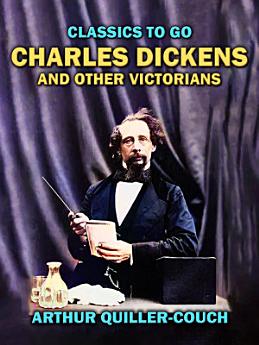
Charles Dickens And Other Victorians: Restored Classics to Go Edition
About this ebook
Discover more
About the author
Sir Arthur Thomas Quiller-Couch (1863-1944), often known by his pen name "Q," was a towering figure in English literature, renowned for his literary criticism, anthologies, and fiction. Born in Cornwall, England, Quiller-Couch's deep connection to the region profoundly influenced his writing, infusing it with a rich sense of place and cultural heritage.Quiller-Couch's contributions to literature were multifaceted. He was a prolific writer, producing novels, short stories, and essays that captured the imagination of his time. His "Oxford Book of English Verse," first published in 1900, remains a seminal anthology, celebrated for its comprehensive and discerning selection of poetry. This work alone cemented his reputation as a literary tastemaker.A professor of English literature at the University of Cambridge, Quiller-Couch was instrumental in shaping the study of English literature as an academic discipline. His lectures, characterized by their wit and erudition, inspired a generation of students, including the young E.M. Forster and F.R. Leavis, who would themselves become influential literary figures.Quiller-Couch was not without controversy. His staunch defense of the literary canon and traditional values sometimes put him at odds with the modernist movements gaining traction in his later years. Nevertheless, his advocacy for clear, expressive prose and his disdain for pretentious writing resonated widely, influencing contemporary writers and critics.A champion of the "common reader," Quiller-Couch believed literature should be accessible and enjoyable for all. His revolutionary idea of prioritizing the reader's pleasure and engagement over academic elitism continues to echo in today's literary landscape, ensuring his legacy endures.