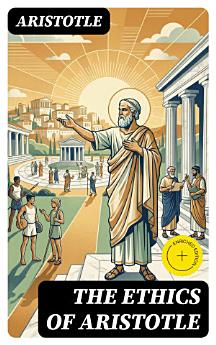
The Ethics of Aristotle (Annotated): Enriched Edition. Virtue, Eudaimonia, and the Pursuit of the Good Life in Ancient Greek Ethics and Political Philosophy
Jun 2022 · DigiCat
Ebook
278
Pages
family_home
Eligible
info
About this ebook
The Ethics of Aristotle presents a systematic inquiry into the conditions of human flourishing and the principles by which a life may be judged good. Organized around the concept of eudaimonia, or fulfilled well-being, it examines moral virtue, habituation, deliberation, responsibility, pleasure, justice, friendship, and the contemplative life. Aristotle's literary method is neither a simple code of rules nor an abstract theological treatise: through carefully qualified definitions, practical examples, distinctions, and argumentative investigation, he moves between philosophical analysis and the realities of civic conduct. The work stands at the foundation of classical virtue ethics and reflects the intellectual world of the Greek polis, where character and citizenship were inseparable. Aristotle (384–322 BCE), student of Plato and tutor to Alexander the Great, composed this work within the mature tradition of Greek philosophical reflection on how human beings ought to live. His empirical attentiveness, concern with the purposes of natural and social life, and experience as a teacher shaped an ethics grounded in practice rather than ideal speculation alone. He asks not merely what goodness is, but how it becomes stable in action and judgment. This book remains indispensable for readers interested in moral philosophy, political thought, psychology, education, and classical literature. It rewards both close scholarly study and reflective reading, offering a demanding yet enduring account of character, choice, and the possibility of a genuinely flourishing human life. This enriched edition has been carefully crafted to add value to your reading experience. - A succinct Introduction situates the work's timeless appeal and themes. - The Synopsis outlines the central plot, highlighting key developments without spoiling critical twists. - A detailed Historical Context immerses you in the era's events and influences that shaped the writing. - An Author Biography reveals milestones in the author's life, illuminating the personal insights behind the text. - A thorough Analysis dissects symbols, motifs, and character arcs to unearth underlying meanings. - Reflection questions prompt you to engage personally with the work's messages, connecting them to modern life. - Hand‐picked Memorable Quotes shine a spotlight on moments of literary brilliance. - Interactive footnotes clarify unusual references, historical allusions, and archaic phrases for an effortless, more informed read.
The Ethics of Aristotle presents a systematic inquiry into the conditions of human flourishing and the principles by which a life may be judged good. Organized around the concept of eudaimonia, or fulfilled well-being, it examines moral virtue, habituation, deliberation, responsibility, pleasure,...
About the author
Aristotle (384–322 BCE) stands as one of the greatest figures in Western intellectual history. His contributions span a remarkable range of disciplines, from logic and metaphysics to ethics and biology. A student of Plato, Aristotle diverged from his mentor, favoring empirical observation and systemized knowledge. His 'Nicomachean Ethics,' often referred to as 'The Ethics of Aristotle,' is a seminal work in which he explores the concept of virtue as the basis for human happiness. This treatise serves as one of the first comprehensive records on the study of ethics and was central to the development of Western moral philosophy. Aristotle's method of logical inquiry and his commitment to empirical observation laid the groundwork for the scientific method. He excelled in detailing the complexities of human conduct and the pursuit of good life, themes reverberating through later philosophical thought. Aristotle's extensive body of work, which also includes 'Poetics,' 'Metaphysics,' and 'Politics,' among others, has been pivotal in his establishment as a paragon of classical wisdom, setting a framework for inquiry that scholars and thinkers continue to engage with to this day.
Aristotle (384–322 BCE) stands as one of the greatest figures in Western intellectual history. His contributions span a remarkable range of disciplines, from logic and metaphysics to ethics and biology. A student of Plato, Aristotle diverged from his mentor, favoring empirical observation and sys...
Rate this ebook
Tell us what you think.
Reading information
Smartphones and tablets
Install the Google Play Books app for Android and iPad/iPhone. It syncs automatically with your account and allows you to read online or offline wherever you are.
Laptops and computers
You can listen to audiobooks purchased on Google Play using your computer's web browser.
eReaders and other devices
To read on e-ink devices like Kobo eReaders, you'll need to download a file and transfer it to your device. Follow the detailed Help Center instructions to transfer the files to supported eReaders.