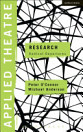
Applied Theatre: Research: Radical Departures
កុម្ភៈ 2015 · Bloomsbury Publishing
សៀវភៅអេឡិចត្រូនិច
312
ទំព័រ
អំពីសៀវភៅអេឡិចត្រូនិកនេះ
Applied Theatre: Research is the first book to consolidate thinking about applied theatre as research through a thorough investigation of ATAR as a research methodology. It will be an indispensable resource for teachers and researchers in the area.
The first section of the book details the history of the relationship between applied theatre and research, especially in the area of evaluation and impact assessment, and offering an examination of the literature surrounding applied theatre and research. The book then explores how applied theatre as research (ATAR) works as a democratic and pro-social adjunct to community based research and explains its complex relationship to arts informed inquiry, Indigenous research methods and other research epistemologies. The book provides a rationale for this approach focusing on its capacity for reciprocity within communities. The second part of the book provides a series of international case studies of effective practice which detail some of the key approaches in the method and based on work conducted in Australia, New Zealand, Singapore and the South Pacific. The case studies provide a range of cultural contexts for the playing out of various forms of ATAR, and a concluding chapter considers the tensions and the possibilities inherent in ATAR.
This is a groundbreaking book for all researchers who are working with communities who require a method that moves beyond current research practice.
Applied Theatre: Research is the first book to consolidate thinking about applied theatre as research through a thorough investigation of ATAR as a research methodology. It will be an indispensable resource for teachers and researchers in the area.
The first section of the book details the histo...
ស្វែងរកច្រើនទៀត
អំពីអ្នកនិពន្ធ
Michael Anderson is Associate Professor, Associate Dean and Head of Drama Education at the University of Sydney, Australia. His recent publications explore how aesthetic education is changing in the 21st century. These publications include Masterclass in Drama Education: transforming teaching and learning, Teaching the Screen, Film Education for Generation Next (with Miranda Jefferson), Drama with Digital Technology (with John Carroll and David Cameron, Continuum, 2009) and Real Players: Drama, Education and Technology (with John Carroll and David Cameron Trentham, 2006).
Peter O'Connor is Associate Professor and the Director of the Critical Research Unit in Applied Theatre at the University of Auckland, New Zealand. His research interests centre on the application of drama pedagogy within wider social justice or public education actions. His most recent work includes the development of the Teaspoon of Light Theatre Company as a response to the trauma of over 3000 earthquakes in Christchurch.
Peter O'Connor is Associate Professor and the Director of the Critical Research Unit in Applied Theatre at the University of Auckland, New Zealand. His research interests centre on the application of drama pedagogy within wider social justice or public education actions. His most recent work includes the development of the Teaspoon of Light Theatre Company as a response to the trauma of over 3000 earthquakes in Christchurch.
Michael Anderson is Associate Professor, Associate Dean and Head of Drama Education at the University of Sydney, Australia. His recent publications explore how aesthetic education is changing in the 21st century. These publications include Masterclass in Drama Education: transforming teaching and...
វាយតម្លៃសៀវភៅអេឡិចត្រូនិកនេះ
ប្រាប់យើងអំពីការយល់ឃើញរបស់អ្នក។
អានព័ត៌មាន
ទូរសព្ទឆ្លាតវៃ និងថេប្លេត
ដំឡើងកម្មវិធី Google Play Books សម្រាប់ Android និង iPad/iPhone ។ វាធ្វើសមកាលកម្មដោយស្វ័យប្រវត្តិជាមួយគណនីរបស់អ្នក និងអនុញ្ញាតឱ្យអ្នកអានពេលមានអ៊ីនធឺណិត ឬគ្មានអ៊ីនធឺណិតនៅគ្រប់ទីកន្លែង។
កុំព្យូទ័រយួរដៃ និងកុំព្យូទ័រ
អ្នកអាចស្ដាប់សៀវភៅជាសំឡេងដែលបានទិញនៅក្នុង Google Play ដោយប្រើកម្មវិធីរុករកតាមអ៊ីនធឺណិតក្នុងកុំព្យូទ័ររបស់អ្នក។
eReaders និងឧបករណ៍ផ្សេងទៀត
ដើម្បីអាននៅលើឧបករណ៍ e-ink ដូចជាឧបករណ៍អានសៀវភៅអេឡិចត្រូនិក Kobo អ្នកនឹងត្រូវទាញយកឯកសារ ហើយផ្ទេរវាទៅឧបករណ៍របស់អ្នក។ សូមអនុវត្តតាមការណែនាំលម្អិតរបស់មជ្ឈមណ្ឌលជំនួយ ដើម្បីផ្ទេរឯកសារទៅឧបករណ៍អានសៀវភៅអេឡិចត្រូនិកដែលស្គាល់។