About this ebook
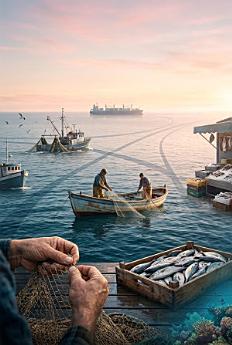
Through detailed regional chapters, the text illuminates the distinct ecological, economic, and cultural dynamics of the North Atlantic, Pacific, Indian, and Southern Oceans, as well as inland rivers and lakes. Case studies such as the Peruvian anchoveta fishery and Norwegian salmon aquaculture provide concrete examples of how climate variability, market forces, and technological innovation shape the fortunes of specific stocks and industries. Readers will also learn about the diverse vessels and gear that populate the global fleet, from artisanal canoes to massive factory freezer trawlers, and how advances in sonar, GPS, vessel monitoring, and electronic monitoring are reshaping both capture and aquaculture operations.
The book delves into the socioeconomic fabric of fishing communities, highlighting the roles of women, the risks and rewards of the share system, and the pressing threats posed by habitat degradation, climate change, and competition from industrial fleets. It examines the global seafood market—trade flows, value chains, processing techniques, and the rise of eco‑certification schemes like the MSC and ASC—showing how consumer demand for sustainability is driving change on the water and in the supply chain. Discussions of illegal, unreported, and unregulated fishing, climate impacts, and emerging alternatives such as cellular aquaculture and plant‑based seafood equip readers with a forward‑looking perspective on the industry’s most pressing dilemmas and opportunities.
By presenting a balanced view of technological innovation, policy frameworks, and human dimensions, The Fishing Industry: A Global View prepares readers to think critically about how to feed a growing population while safeguarding marine ecosystems. Whether you are a student, policymaker, industry professional, or simply a curious consumer, this comprehensive guide will deepen your appreciation of the ocean’s bounty, clarify the trade‑offs involved in its exploitation, and inspire informed choices about the future of seafood.