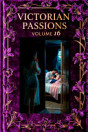
Victorian Passions: Volume 15
About this ebook
Sourced from shadowy imprints like The Double Life and The Confessions of Nemesis Hunt, these narratives pulse as historical erotica, weaving flagellation's sting with carnal hunger and familial taboos masked by middle-class veneer. Kate Percival's Life and Amours surges with Yankee vigor, charting ruptures of innocence and bacchanalian frenzies, while appendices capture Pleasures of Cruelty—a father's forest thrashing of his crimson-faced daughter through tears and welts—and a diary of paternal yearning. Anatomical candor abounds: bottoms taut and rod-striped, clitorises jutting like lads' pricks, nether portals parting to fingers amid wails of "Papa!"
Its historical worth gleams in salvaging ephemera from London's financial gazettes, Rotterdam's presses, and Parisian serials, spotlighting turn-of-century pathologies—mercurial drools, opium haze, reformatory rods—as the pox stalked forbidden nests. Daughters like Lilian, paternally spoiled, epitomize forbidden pleasures fiction, their sly deceits and lunar frenzies probed with scalpel keenness, baring womb-spurred frailties behind vice and guile.
Aficionados of Victorian literature's dusky pleasure maps will prize its artistic grace in verse both poetic and profane: mirrors trapping rutting strokes, switches carving scarlet tracks on maiden haunches, spy-holes unveiling chamber chasteners. Appendices deepen with Tête-à-Tête's godfather fondlings and Sprague v. Lihme courtroom grime, tethering reverie to newsprint fact. Tailored for devotees of classic erotica anthologies charting Sade's whispers into Edwardian flesh-markets.
Venture these erotic adventure stories, where scourge sparks spend and climbers pawn hymens, relishing passion's wry theatrics. Sense why 1901 Paris murmured of such tomes, their leaves honed immaculate by years.
This edition holds profound historical, educational, and artistic value: it resurrects vanishing literary erotica collections from oblivion, decoding the psyche of lust in a syphilis-plagued fin de siècle; instructs on era-specific vices from birching rituals to neurotic cycles; and elevates pulp to poetry through visceral imagery and epistolary authenticity—essential for scholars and sensualists tracing 19th century fiction's lurid underbelly into early 20th-century fire.